A new name, an aligned vision: University Circle Inc. becomes University Circle Alliance





University Circle Inc. is now University Circle Alliance (UCA)—a name that reflects the growing emphasis on collaboration among the institutions, businesses, civic partners, and residents that shape the district.
 The new University Circle Alliance logo.The organization announced the change yesterday, Wednesday, Oct. 14, at its State of the Circle event at the Cleveland Institute of Music.
The new name builds on nearly 70 years of work in University Circle, reflecting an evolution from the organization’s early focus on land acquisition and development to a broader role in connecting the people and organizations that make the district thrive.
University Circle started as a land bank—it very much so used to be properties development,” explains Sheffia Randall-Nickerson, chief engagement and collaboration officer at University Circle Alliance.
The name change grew out of a listening tour launched by Kate Borders after she became UCA president in 2023. She met with institutions, organizations, neighbors, and residents to hear their perspectives on University Circle and then-UCI’s role in the district.
“She had focus groups, she had one on one conversations. She talked to neighbors, she talked to residents,” Randall-Nickerson says. “She talked to hundreds of people over a year's time and really took her time to soak in what folks had to say.”
Those conversations helped University Circle Alliance toward a greater focus on people, as well as place.
“University Circle started as a land bank, so it very much so used to be about properties development,” Randall-Nickerson explains. “What [Borders] heard from her listening tour is that folks were interested in how University Circle [Alliance] can uplift the institutions. [These are the people who] call University Circle home, they call University Circle the place where they work—the place where they live and play, and go to church and go to school.”
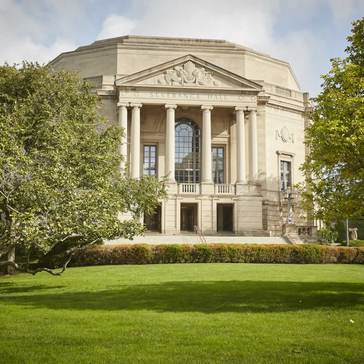
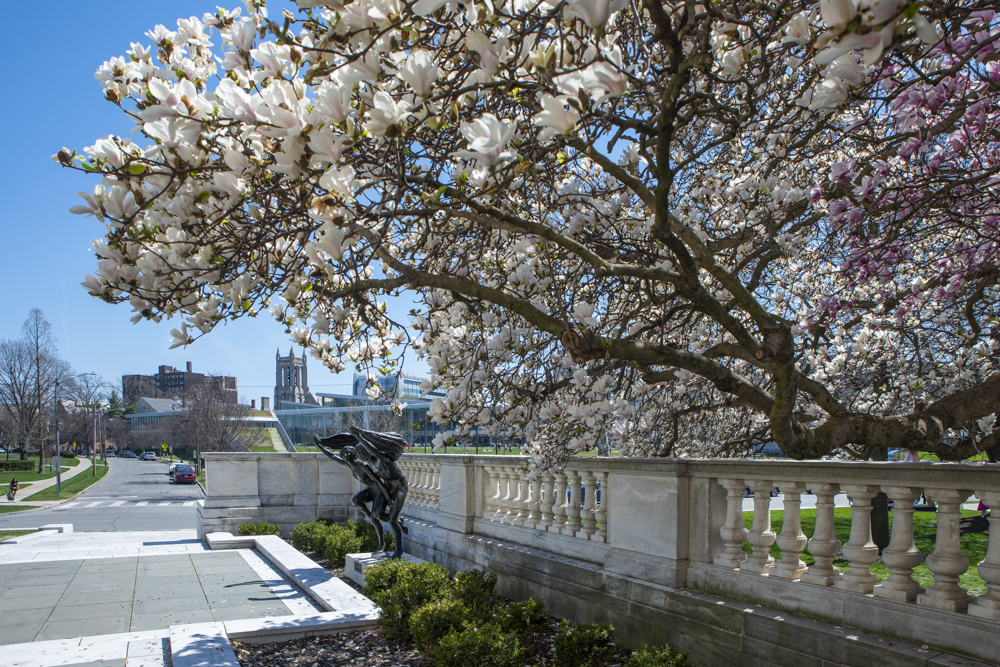
 Severance HallFrom development to collaboration
Elise Yablonsky, chief place management officer at University Circle Alliance, says the new name reflects UCA’s ongoing growth, rather than a change in the organization’s mission.
“In many ways, it's just reflecting this evolution that's already been in place,” Yablonsky observes. “It’s what we're doing, our mission—who we are, isn't changing.”
Randall-Nickerson agrees, saying, “The mission stays the same, the work stays the same. Now the name more reflects what it is that we're doing.”
Established in 1957 as University Circle Development Foundation, the organization’s original purpose was to carry out the district’s master plan. Early work focused on assembling land for museums, universities, and hospitals to expand, followed by shared services such as public safety, parking, and shuttles.
In 1970, the nonprofit organization became University Circle Inc. and expanded its work into surrounding neighborhoods, including housing initiatives and educational programming.
Today, University Circle is home to approximately 28,000 employees and 7,500 residents and attracts millions of visitors each year. University Circle Alliance is building on that foundation through projects intended to connect destinations, improve public spaces, and strengthen relationships with surrounding neighborhoods like Glenville, Fairfax, and Hough.
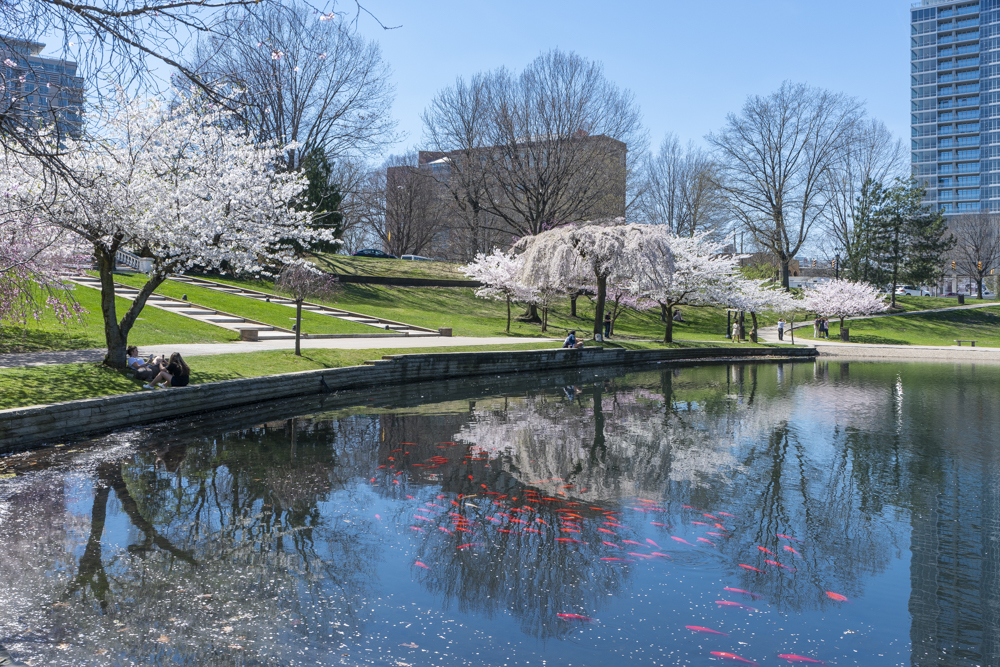
 Wade Lagoon - Photo © Bob Perkoski, www.Perkoski.comConnecting people and places
One example of improving connections and public spaces is Wade Oval Wednesdays (WOW), the organization’s summer concert series. This past summer, UCA partnered with the Cleveland Botanical Garden, which opened its Kohl Gate off Wade Oval for two WOW evenings to give concertgoers free access to the garden and Glasshouse.
UCA’s Randall-Nickerson describes the partnership as an example of how organizations work together to expand access to the University Circle.
“The Botanical Garden, over the last couple Wade Oval Wednesdays, has opened the gate so our community members have the full access of the Botanical Garden while they're also listening to incredible music,” she says.
“It was that kind of partnership where we said, ‘this is incredible resource for our entire community. Let's come together, have a great experience at Wade Oval Wednesday and then go to the Botanical Garden and see some amazing work there.”
Another initiative is Connecting the Circle, a long-range public realm master plan designed to link major destinations and improve public spaces, including Wade Oval, Euclid Avenue, the Cultural Corridor, and East 105th Street (once known as Doan’s Corners or “Cleveland’s Second Downtown”).
Yablonsky says the Connecting the Circle plan was developed with more than 30 institutional partners and civic partners, including the City of Cleveland, Destination Cleveland, and Assembly for the Arts.
UCA also held more than 15 in-person engagement sessions with residents, neighbors, employees, and visitors to better understand their experiences and identify ways to improve connections with the district.
“The vision for that plan is to really link our major destinations and improve connectivity and activation throughout the Circle,” Yablonsky says.
Additionally, UCA is working with the City of Cleveland on planning and fundraising for improvements to the Harrison Dillard Trail, which connects University Circle and surrounding neighborhoods to the lakefront and the broader regional trail network.
Yablonsky says community engagement is central to these projects, especially to inform residents of the connections and resources that exist in the area neighborhoods.
A lasting commitment to community input
Randall-Nickerson adds that the word “Alliance” in “University Circle Alliance” captures the organization’s role in bringing different stakeholders together around common goals.
“I think the name ‘Alliance’ is so important, because it reflects our role in bringing all of these things together around a shared vision for this space and for this district,” she says.
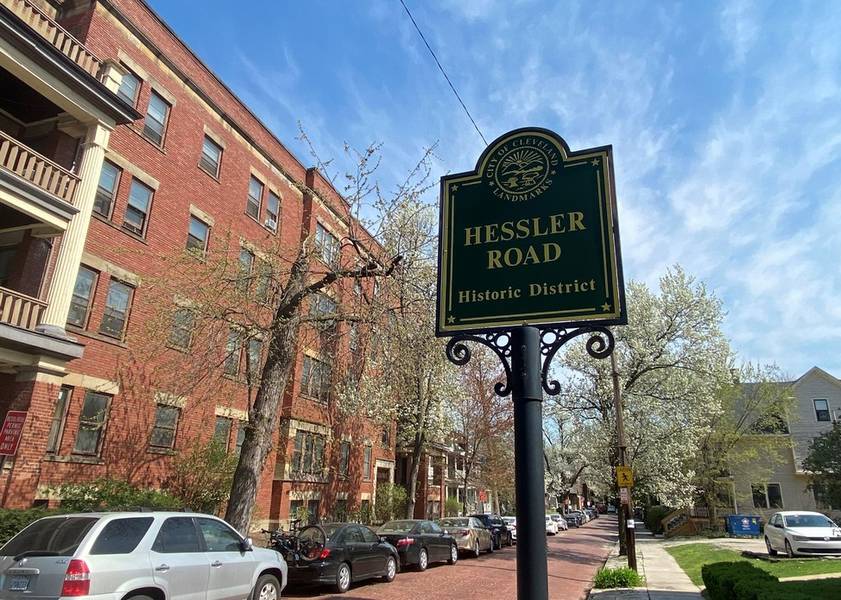
 Sign marking the historic Hessler District.The focus on collaboration is reflected in the organization’s leadership structure. Randall-Nickerson notes that her own position as chief engagement and collaboration officer was created to ensure that community engagement remains central to the organization’s work.
“It's one of the reasons why my position was created,” she says. “We have a whole department where that's our primary focus is to make sure that with all the things that we're building, connecting, and elevating, we still have that connection to our institutions and with our residents our neighbors. It’s baked into everything that we do.”
Both Randall-Nickerson and Yablonsky say community engagement will continue as projects develop, and there will always be opportunities for people to contribute ideas and help shape decisions.
Yablonsky adds that residents who feel they have not been heard will have opportunities to participate.
“If I [have] a conversation with that person who says, ‘You didn't ask me,’ the response is always, ‘It's not too late,’” Yablonsky explains. “This is the core of who we are and what we do. This is an evolution. We want to move forward in close collaboration and partnership. There's no end date for community engagement for our work.”
Randall-Nickerson says the organization wants to involve the community before projects take shape, rather than simply asking for feedback after decisions have been made.
“I believe in input,” she says, explaining there’s a difference between input and feedback. “You know, we have feedback which happens after the fact. We've done all these great things—what's your feedback? I'm about the input.”
“How do we get that information before we start building all these things—so folks are coming along with us, so your ideas and input are baked into what we create together—this is co-creation.”
The new University Circle Alliance name, Randall-Nickerson says, reflects the importance of bringing those voices together as the organization continues its work to promote and celebrate University Circle.