Endangered species get their closeup on the National Geographic Photo Art in CMNH photo exhibit
About 18,000 animal species are threatened with extinction, according to the International Union for Conservation of Nature. The kicker? As the organization can only evaluate known species—experts warn that there are countless unrecorded wildlife species now facing similar danger.
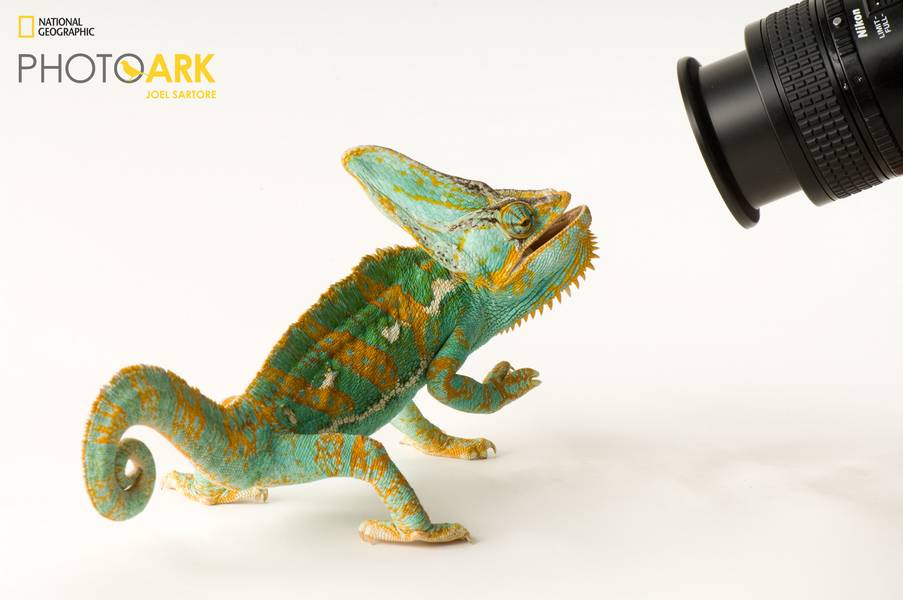
 A veiled chameleon, Chamaeleo calyptratus, at Rolling Hills Wildlife Adventure confronts a camera lens.An upcoming exhibit at the Cleveland Museum of Natural History puts this crisis into pictures. The National Geographic Photo Ark, on display from Thursday, Nov. 19 through March 28, will showcase the work of globetrotting photographer Joel Sartore.
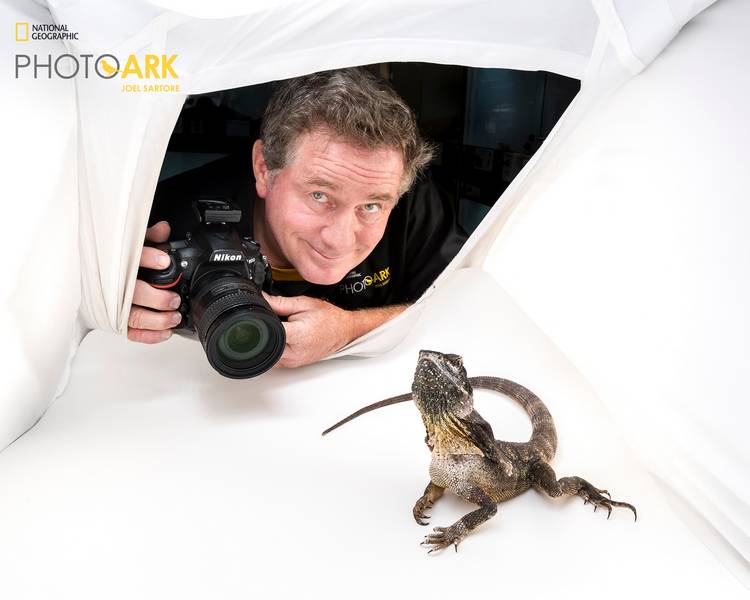
Featuring 18,000 types of birds, fish, mammals, reptiles, amphibians, and invertebrates, the project aims to document every species cared for by humans. The ambitious undertaking is designed to inspire action as much as showcase the beauty and mystery of nature, say CMNH officials.
“The photo ark’s remarkable portraits offer visitors an extraordinary opportunity to come face-to-face with animals from across the globe,” said Meenakshi Sharma, CMNH acting president and CEO, in a Nov. 5 press release. “We hope visitors leave with a greater understanding of why protecting biodiversity matters to all of us.”
Sartore launched the project in his hometown of Lincoln, Nebraska, before setting out to photograph more than 25,000 species worldwide. Each of his furry, scaly, or feathered subjects are documented with the same loving eye—Sartore wants people to look these vulnerable beings in the face, with an understanding that, for some of them, time is running short.
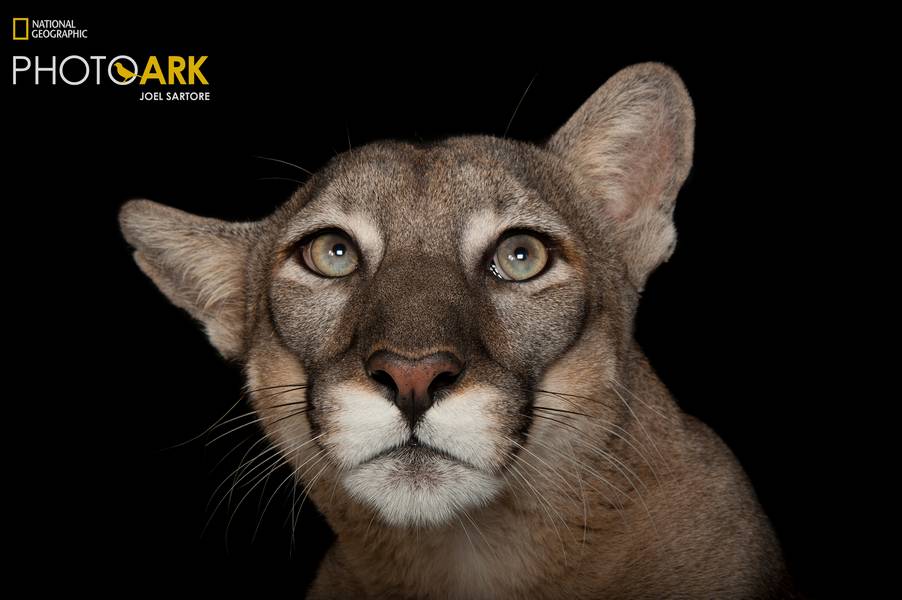
 A federally endangered Florida panther, Puma concolor coryi, at Tampa's Lowry Park Zoo.“Joel is raising awareness on how diverse the world is,” says CMNH biodiversity curator Walter Tapondjou. “He travelled all over to bring that to life, and to put that scope into his work. Many people are not aware of the wildlife around them – the living creatures within the forest that they don’t see.”
The CMNH exhibit will feature profiles—including current conservation status—for each of its 21 animals. Dr. Walter Paulin Tapondjou, a CMNH staff member and zoologist who met Sartore while studying reptiles and amphibians in Cameroon, points to habitat destruction, poaching, climate change, and human conflict as significant drivers of species extinction.
While reading about endangered animals is beneficial, viewing them so intimately is a far more powerful experience, says Tapondjou.
“I hope this exhibit gives people another perspective,” he says. “I want them to look at [these photographs] with a new eye and make them realize that some of these species are from this area. We want our guests to ask questions, and we’ll have staff on site to give them answers.”
Housed in the museum’s Corning Gallery, the exhibit is included with general admission. Photographs will be paired with specimens from the museum’s collection as well, giving viewers a multi-dimensional perspective into a shrinking ecosystem.
 Red eyed tree frog, Agalychnis callidryas.Ultimately, the project seeks solutions to the most pressing issues impacting wildlife and their habitats. Community education can convert awareness into active support for initiatives supporting species survival, says Tapondjou.
“You don’t have to get technical about these species, you just need people to be aware of them,” he says. “Our mission is about inspiring a passion for nature. This is a chance to tell people what we’re doing and educate the community around us.”
Tickets for the National Geographic Photo Ark are now available. Joel Sartore will host an exhibition preview and Q&A at the museum on Wednesday, Nov. 18, at 6:30 p.m., followed by a tour of the gallery from 7:30 p.m.to 8:30 p.m. Tickets are $30, or free for CMNH members, but registration is required.