From prayer books to pendants: How Renaissance style influences modern fashion



.jpg)



.jpg)
.jpg)

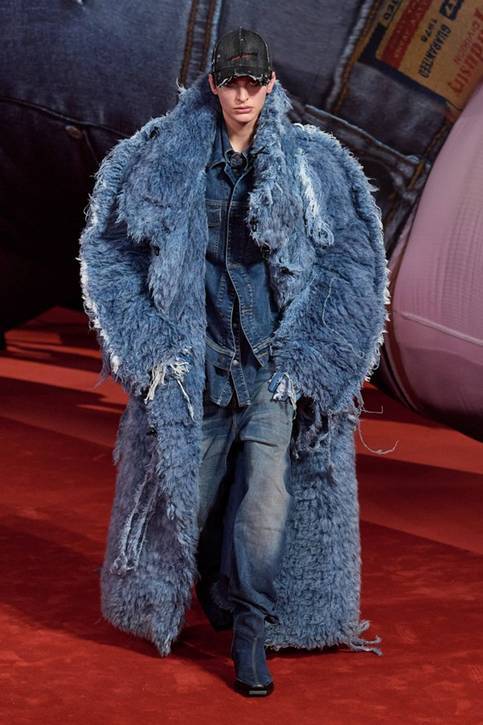
 Cotton denim coat ensemble for Diesel on Vogue RunwayWhen you slip on a pair of designer shoes or fasten a statement necklace, you might not realize you're participating in a centuries-old conversation between art and fashion.
Guests have the chance to experience the connection on Martin Luther King Day, Monday, Jan. 19 at the Cleveland Museum of Art when the museum offers free admission to the museum and to "Renaissance to Runway: The Enduring Italian Houses" exhibition, running through Sunday, Feb. 1 in CMA’s Kelvin and Eleanor Smith Foundation Exhibition Hall.
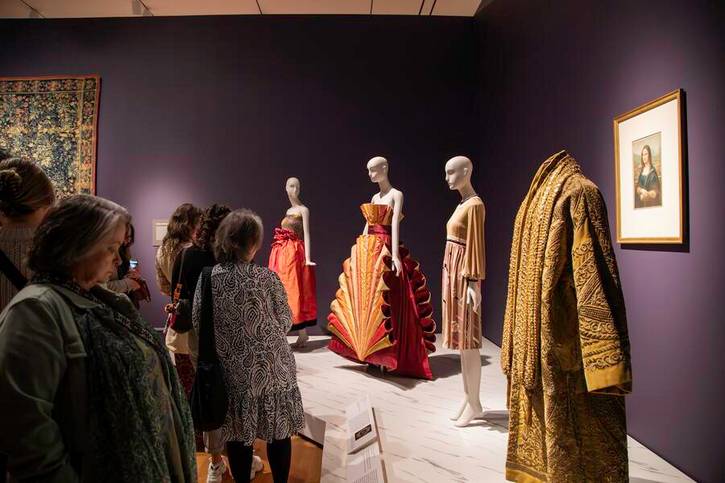
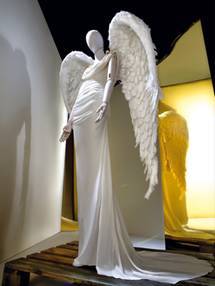
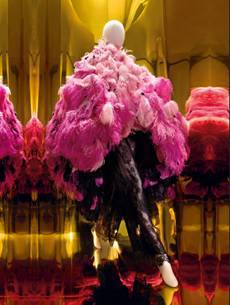
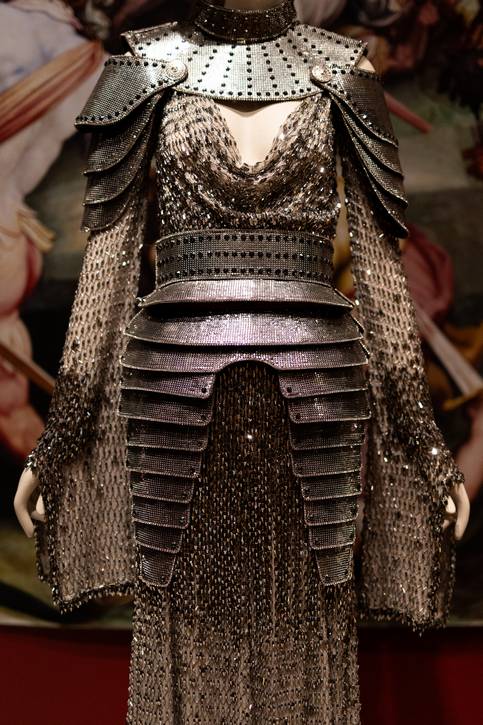
The dialogue between art and fashion comes to life in “Renaissance to Runway” through a collection of fashions and accessories that bridge the gap between Renaissance Italy and today's luxury fashion houses.
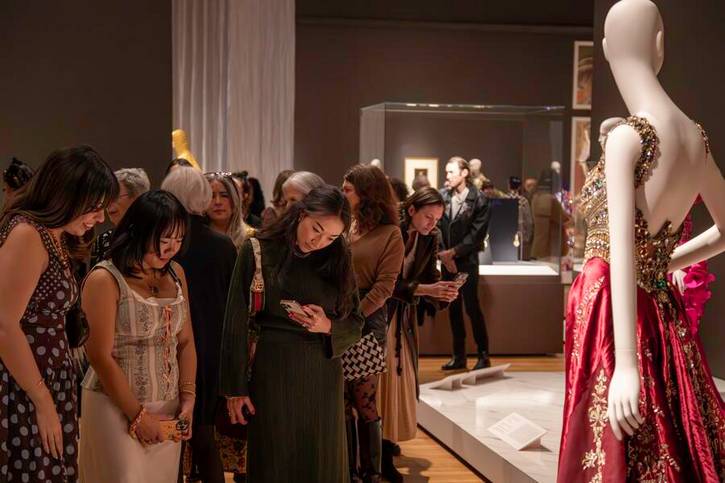
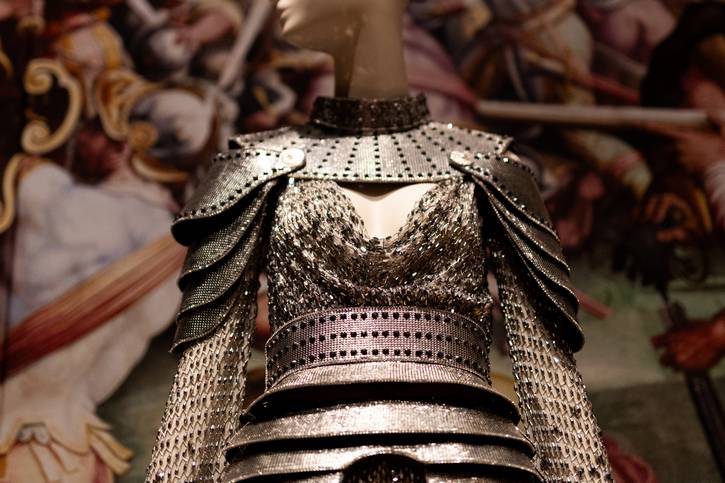
“Renaissance to Runway” is the largest fashion exhibition to date at the Cleveland Museum of Art (CMA), encompassing about 80 fashions and 40 accessories that have come out of several iconic Italian fashion houses in the 20th and 21st centuries.
The examples of Italian early modern art and culture have become the foundations for contemporary Italian creative expression.
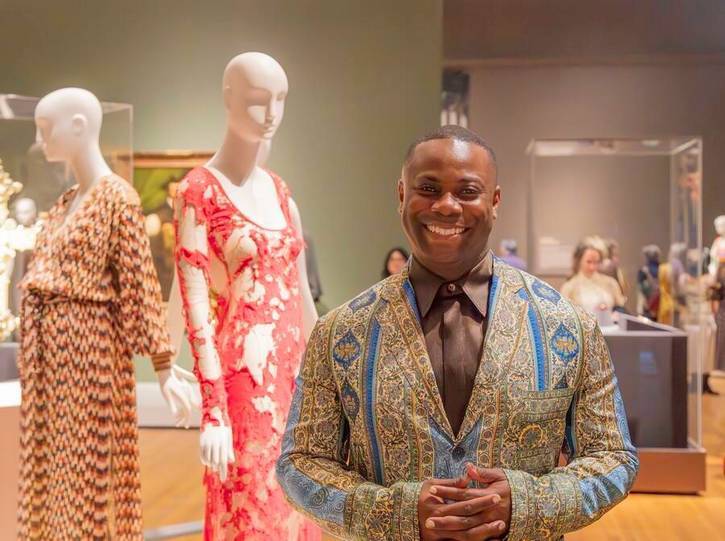
Darnell-Jamal Lisby, CMA’s associate curator of fashion who organized the exhibition, has assembled displays of more than 100 couture outfits, jewelry, shoes, and accessories that tell the story of how Italian Renaissance aesthetics continue to influence modern designs.
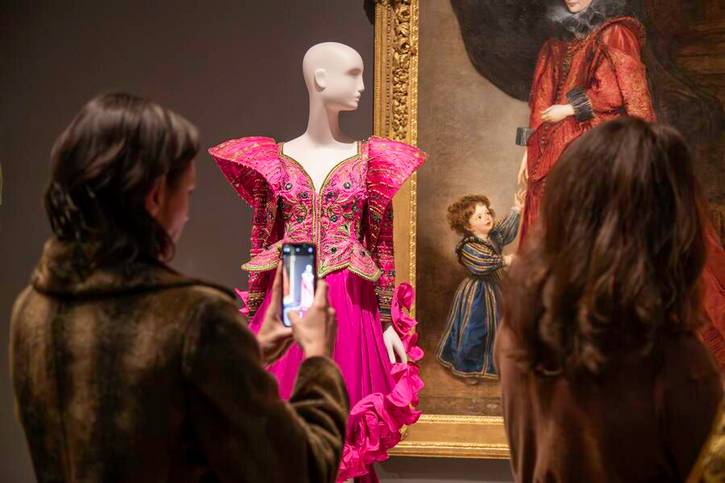
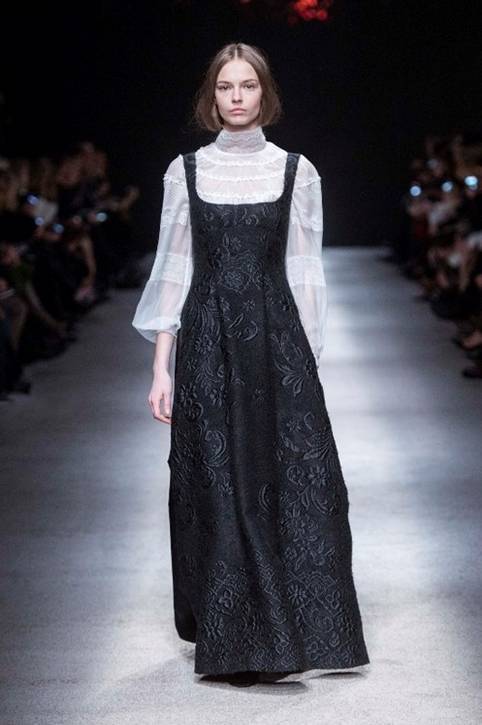
“Renaissance to Runway” explores how Italian fashion houses have continuously drawn inspiration from the Renaissance, Mannerist, and the early Baroque periods to create modern masterpieces.
"Every decision is very deliberate—they're all interconnected in some way," Lisby explains. "There wasn't any kind of priority for one thing over another."
The exhibition showcases pieces from legendary houses like Bulgari, Buccellati, and Ferragamo—brands whose founders looked to Renaissance masters for inspiration and whose contemporary designers continue that tradition today.
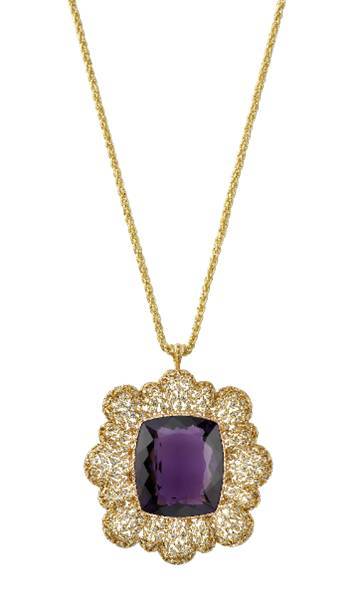
 Violante Pendant BroochFamily stories
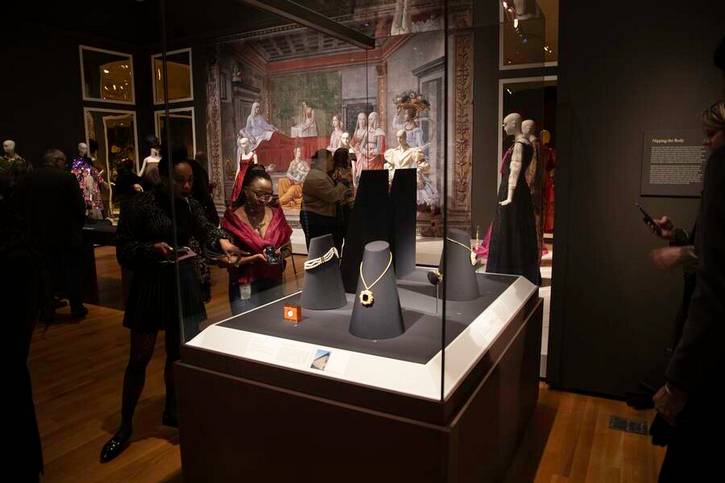
The connection is most evident in the jewelry, where pieces spanning nearly 150 years demonstrate the enduring influence of Renaissance craftsmanship.
In the Buccellati collection, for instance, "Mario Buccellati was very much enamored by Renaissance goldsmiths in looking at Renaissance imagery," Lisby notes, adding that the founder's 1919 vision continues to guide the family-run company.
The inspiration is evident in pieces like a 1920s bracelet that Lisby says is "reminiscent of needlepoint lace and obviously uses gold in this kind of metal thread, like strands to create the lace imagery and interweaves them with diamonds.”
One piece is the 2012 Violante pendant, which showcases the Renaissance connection in a rather unique way. "The grooves in the setting around the amethyst have this kind of geometric aesthetic in which it's emulating Bugnato—which are the grooves on the facade of palazzos or palaces all throughout Italy," Lisby explains. "If you go to Florence, you'll see a lot of Renaissance palazzos with that kind of rough geometric surface."
The Bulgari pieces tell equally fascinating stories with the monetary collection from the 1970s. The collection features "links that are emulating Byzantine coins, ancient Byzantine coins, and ancient Roman coins," says Lisby, who points to a direct line from ancient craftsmanship to modern luxury.
Fashion meets faith
“Renaissance to Runway” explores the role of religion in fashion—a connection Lisby knows well.
"There's always religious elements that are going to be reflected and talked about and discussed in fashion," he says, noting his experience working on the Metropolitan Museum of Art's 2018 blockbuster exhibition, "Heavenly Bodies: Fashion and the Catholic Imagination."
During the Renaissance, the fashion/religion connection was often practical as well as visually pleasing. "In some [regions], in order to be able to wear multiple layers of jewelry, you had to have some kind of religious jewelry, a pendant or some kind of accessory, to be included in your ensemble,” explains Lisby. “Otherwise you were fined."
He says prayer books became fashionable accessories because of those rules, serving both spiritual and style purposes.
An example in “Renaissance to Runway” is a 1870s to 1880s prayer book cover by Bulgari founder Sotirios Bulgari—demonstrating how these religious accessories evolved into luxury objects while maintaining their spiritual significance.
The art and science of beautiful shoes
The footwear in the exhibition reveals another layer of Renaissance influence, particularly through the work of Ferragamo founder and shoe designer Salvatore Ferragamo. The legendary shoemaker's approach combined historical inspiration with scientific innovation.
"He was enamored by the chopine, which is your early form of high heel shoes or high platform shoes that [appeared] in Venice around the 1450s," Lisby explains, adding that Ferragamo didn't just copy historical styles—he revolutionized comfort by studying anatomy at the University of Southern California.
.jpg) Salvatore Ferragamo's created a fashionable and functional 1938 Rainbow Sandal for Judy Garland in 1938."[He] learned ways in which he could create a fashionable and functional shoe," while still pushing creative boundaries, Lisby says.
Salvatore Ferragamo's created a fashionable and functional 1938 Rainbow Sandal for Judy Garland in 1938."[He] learned ways in which he could create a fashionable and functional shoe," while still pushing creative boundaries, Lisby says.
The exhibition features Ferragamo's famous rainbow sandal from 1938, created for Judy Garland, as well as contemporary re-interpretations of the shoe.
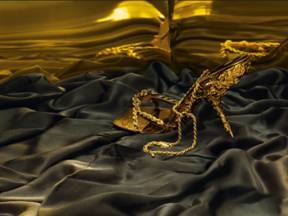
Ferragamo creative director Maximilian Davis in 2023 reissued Ferragamo's 1956 jeweled shoe, originally made with 18-karat gold.
"Maximilian Davis essentially refashioned it," Lisby says, using laminated gold and updating the silhouette for modern tastes. "The essence of the shoe is still just as radiant" while adapting it "for the more contemporary audience."
Dressed to impress
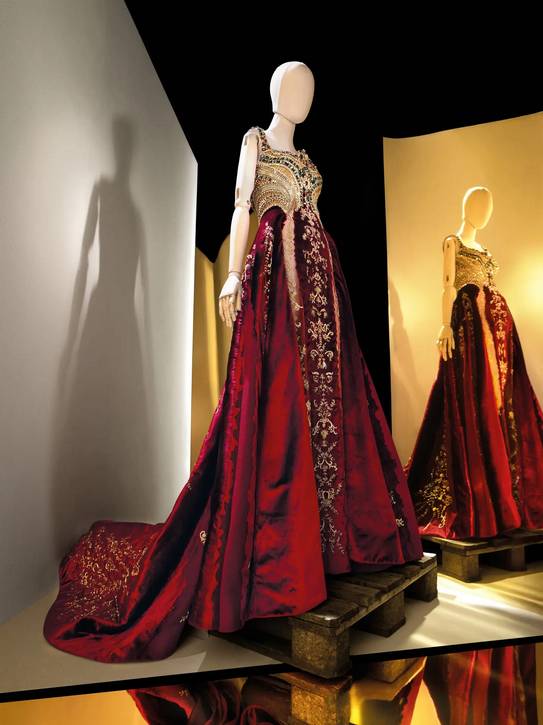
The garment collection demonstrates how religious and artistic traditions continue to influence modern fashion design. Three standout pieces illustrate this evolution across different sections of the exhibition.
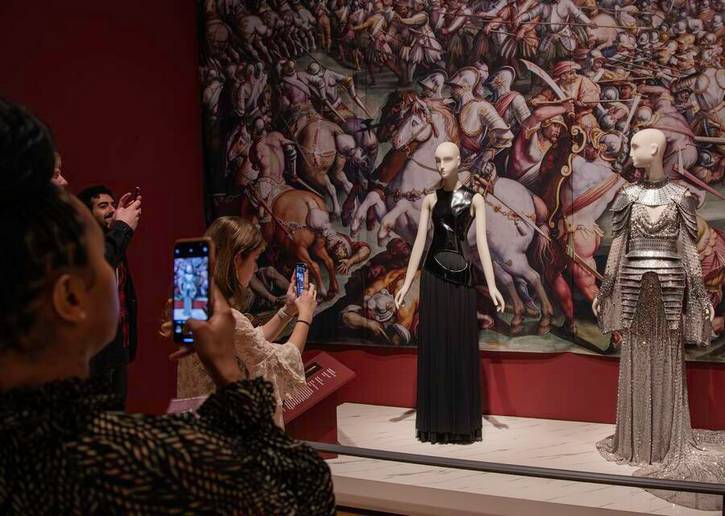
Lisby points to the Moschino coat from Franco Moschino's Spring 1993 "Krushme Baby" Couture collection as the first show-stopping piece visitors see—it opens the exhibition in dialogue with a 1521 Medici tapestry.
The piece features "a sequin embroidered illustration of the skyline of Florence" on the back and the Medici coat of arms on the left flap, Lisby explains, adding that the coat demonstrates how "social history of the Medici being the source of inspiration" continues to influence contemporary designers.
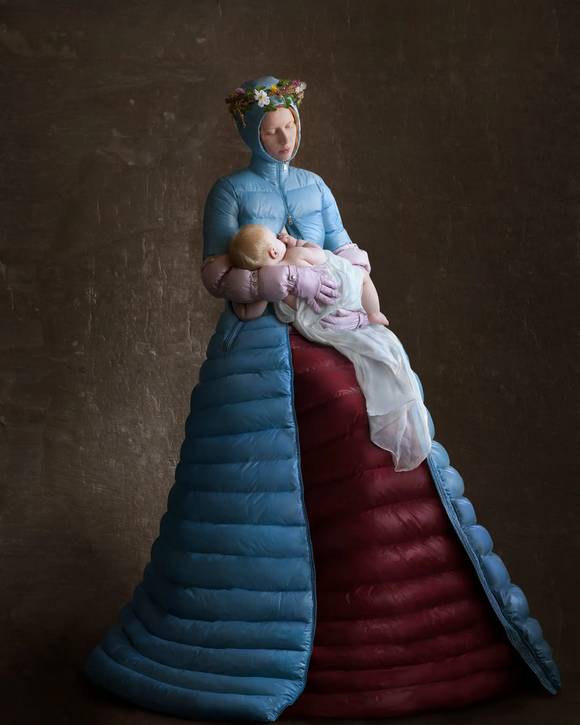
The 2019 Moncler coat dress by Pier Paolo Piccioli represents a fascinating connection between Renaissance menswear and modern outerwear, Lisby says, explaining that the coat dress "exudes the fantasy of women's trains during the 1450s and 60s and 70s," while incorporating pleating techniques from men's doublets of the early modern period.
The connection to contemporary puffer jackets is noticeable—men's doublets were pleated in the same way today’s puffer coats are pleated.
 CMA associate curator of fashion Darnell-Jamal Lisby organized Local styles
One revelation in the exhibit is that fashion regionalism isn't new.
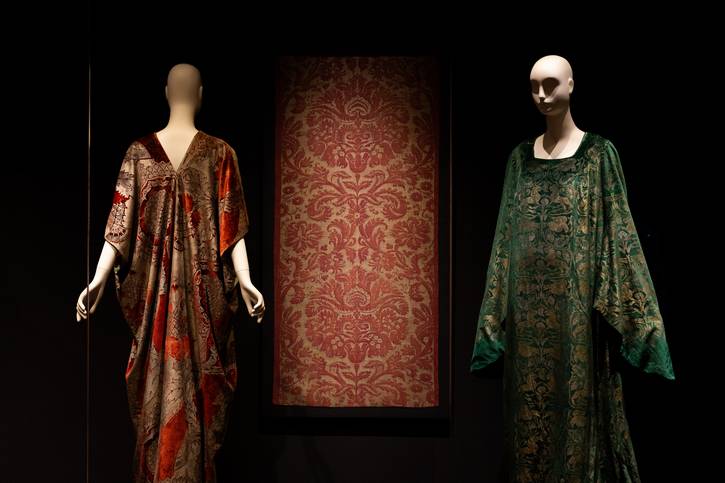
"Each individual municipality had produced their own textile, their own kind of textile preferences, and they had their own design aesthetics," Lisby says of Renaissance Italy. "One would have been able to tell who was from Florence versus who was from Milan versus who was from Venice."
Lisby says the regionalism is not much different than today’s style trends. “You could probably guess someone who's probably from Texas—based on wearing a cowboy hat,” he says, “versus New York, where they might be wearing very much severely all black, versus someone from California who looks more like a surfer.”
Lisby says it’s impossible for him to choose a favorite piece in the exhibit. "I picked all of them for a reason—that they all flow together,” he says. “One wasn't greater than the other. They all had a role to play—like characters in a movie."
Lisby’s curation enables visitors to trace the evolution of luxury accessories from Renaissance workshops to contemporary ateliers, understanding how the past continues to inform the present.
Free admission and tickets
"Renaissance to Runway" runs through Sunday, Feb. 1 at the Cleveland Museum of Art. In honor of Martin Luther King, Jr. Day on Monday, Jan. 19, admission to the exhibit is free.
Other days, tickets are $17 for adults, $15 for seniors aged 65 and older; $8 for guests of CMA members, children ages six to 17, and college students with an ID; and free for CMA members.