Why fall and winter are the right seasons to tackle exterior home improvements


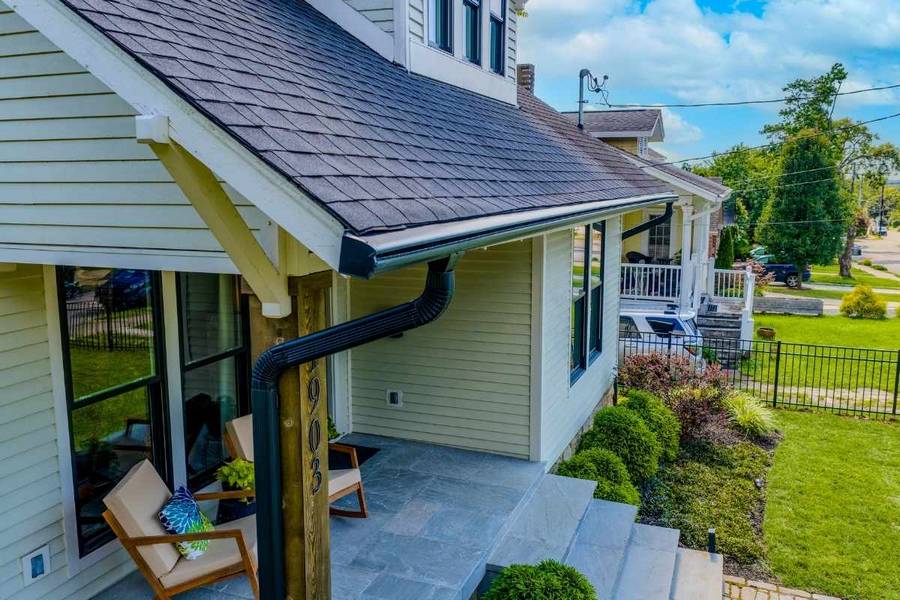




 An 'after' image of a Great Day Improvements home.“When the weather starts to turn, it can get more harsh and it can do damage to the homeowner's home,” he says. “What we want to do, as homeowners, is we want to get ahead of things and just really look, inspect, and see what problems could potentially arise.”
But fall and winter can reveal problems that are harder to spot during warmer months. Drafty windows become more noticeable when the temperature drops, while rain, snow, and ice can expose problems with gutters and water drainage.
These seasons are a good time to take a closer look at the outside of the house—and to get ahead of small problems before they become bigger, and potentially more expensive, issues.
Jeff Deatsch of Universal Windows Direct, one of the specialty home-improvement brands under the Great Day Improvements umbrella, recommends starting with a simple walk around your house and property.
“What homeowners sometimes don't think about is that September and October are actually really good opportunities in to go outside and do another look,” Deatsch says. “Specifically, look at the siding, the roof, and the windows—especially in the Cleveland area, but really in any market.”
Deatsch offers two proactive tips to homeowners as the seasons change:
- Check the windows. Drafty windows, deteriorating exterior caulk, and condensation building up on the panes are a few signs of aging windows. These signs become more noticeable as temperatures start to drop.
- Follow the water. Rain, snow, and ice can put gutters and the rest of a home's water-management system to the test. Check the flow through the gutters and downspouts, looking for blockages.
Deatsch explains that Autumn colors and chilly temperatures should be a reminder to go through a maintenance checklist.
 Drafty windows, deteriorating exterior caulk, and condensation building up on the panes are a few signs of aging windows..“When the weather starts to turn, it can get more harsh and it can do damage to the homeowner's home,” he says. “What we want to do, as homeowners, is we want to get ahead of things and just really look, inspect, and see what problems could potentially arise.”
He explains that a quick, seasonal inspection can be particularly revealing when it comes to windows. He says a window that seemed fine during the warmer months can suddenly make its shortcomings obvious when the temperature drops.
“When we talk about windows, in the fall when it gets colder, homeowners start to realize and notice the inefficiencies of their windows,” Deatsch explains. “They start getting drafts in their windows and then it's like, ‘okay, well what do I do?’”
When a potential problem is identified in the fall, Deatsch stresses that winter doesn't necessarily mean you have to wait until spring for a solution. He adds that his own windows were installed several years ago in December.
In fact, the colder weather can also make it easier for homeowners to identify issues that might otherwise go unnoticed. Deatsch recommends starting with the window caulk—it can show early signs that a window needs attention.
“Check your windows for any drafts when it gets a little bit cooler, because that's when you're going to really start to notice it,” Deatsch advises. “Specifically, [look at the] caulking on the exterior of the windows. If you get a lot of caulk that is deteriorating and it comes off, or if you have foggy windows, condensation in the windows, little things like that, these are going to start to be issues.”
When a problem is identified, he recommends choosing products and proper installation techniques that will last.
“Whether you're in the home for six months or 30 years, Universal Windows Direct installs products that are going to perform for decades down the road, the same as they did when they were installed,” he says. “Our installation process and our quality of materials are going to look good and continue to perform.”
Deatsch adds that the quality of Great Day Improvement’s materials, as well as the workmanship, “gives homeowners peace of mind and that pride of ownership with their new windows, with their new siding, roofing, and entry doors,” he says. “The homeowners know that the product is going to perform the entire time that they're in the home.”
Following the water
In addition to checking windows as the weather changes, experts also recommend homeowners use rain and melting snow as a way to see how well their gutters and water-management systems are working.
 Homeowners need to think about their gutters as part of a bigger system that keeps water away from the house.Matthew Supple, director of sales for Great Day Improvements and Leafguard gutter protection systems, has specialized in gutters for the past 11 years.
He recommends homeowners need to think about their gutters as part of a much bigger system that is designed to keep water away from the house, adding that homeowners should not wait for an inspection until there is already a problem.
“The customers usually call us when there's water coming inside the house,” he explains. “They say, ‘I know there's a problem in the front because it's coming through the roof in the front.’”
While Supple emphasizes that gutter flaws are nearly impossible to detect without rain, most homeowners only call only after water is already entering the house — making a proactive inspection a smart approach. Supple says. “It's much easier to be proactive if you have a look at everything while it's raining.”
“A top-down method is how we always approach these things,” Supple says, referring to looking at the entire system. “You can't solve a problem, or fix the symptom, until you treat the whole disease. Because if you don’t, it's going to keep happening—you're just spinning your wheels.”
Water, Supple explains, has a way of finding paths homeowners may not expect. For instance, a leak inside the house doesn't necessarily mean the source is directly above where the water is dripping.
“I was production manager for a very large market for a couple of years, and there would be service calls where [the customer would] think it's a gutter problem,” Supple recalls. “Generally, it would be a roofing issue two or three feet up before it gets to the edge of the roof where the gutters are. Then the problem is another seven feet or eight feet back from that.”
Water can travel through an attic or along other parts of a home's frame before finally appearing inside the walls. That's why the next time it rains, Supple says homeowners should do more than inspect their gutters—they should watch and track where the water goes.
“You can easily see it because the water is going to tell on itself,” he explains, once gain stressing the importance of being proactive. “Don’t wit for a leak to have a thorough inspection.”
And a proactive approach is particularly important in Northeast Ohio, Supple says, where winter brings a mix of precipitation and temperatures that can fluctuate dramatically.
Gutters do more than handle leaves
Gutters may not be the most glamorous home improvement project, but Supple says their primary purpose isn't really about leaves—It's about water.
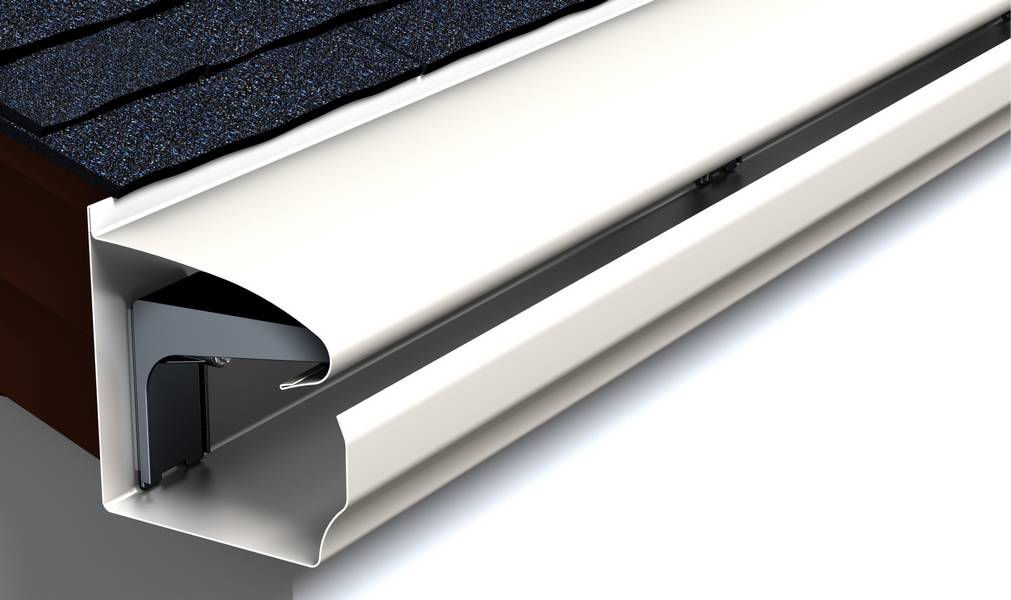
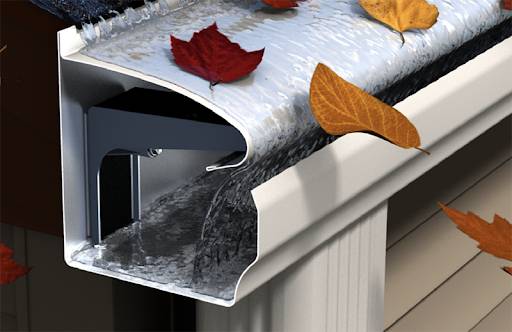
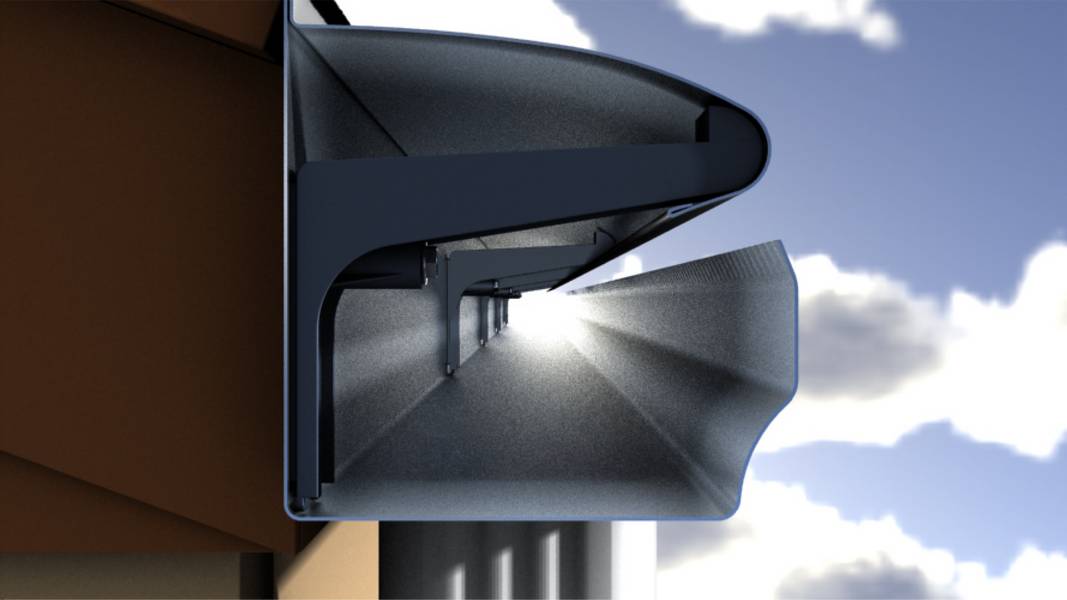
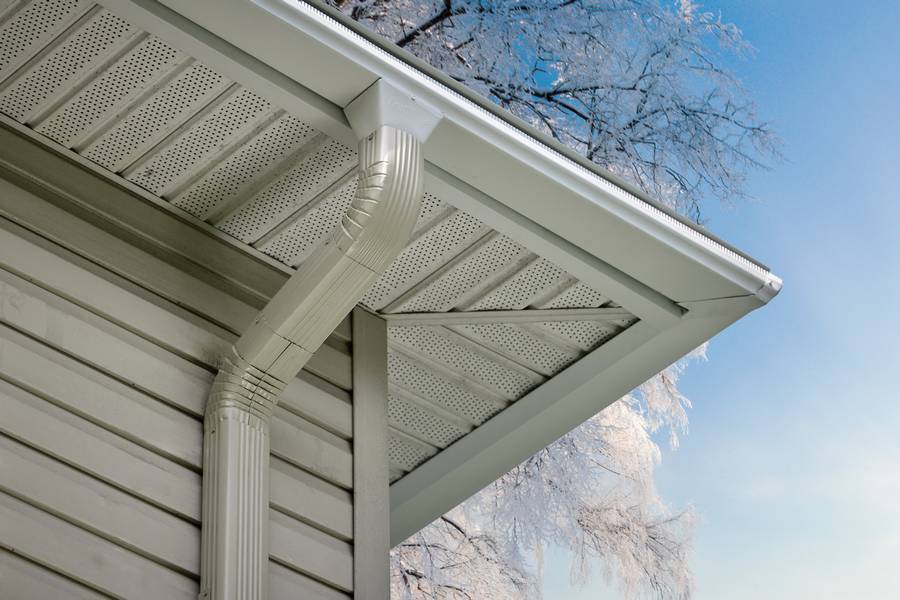
 Leafguard gutters are one-piece, seamless systems designed to capture water and carry it away from the house.“It's the water, obviously,” he says, “that's why I keep talking about water. It’s what causes the damage.”
Traditional gutters can develop problems at seams, corners, and other points where water can find its way to structural points. Leaves and other debris can also clog downspouts, causing water to overflow.
For homeowners, Supple suggests checking the condition of the gutters before the winter weather arrives. Look for obvious debris, sagging, leaks, or places where water isn't moving away from the house as it should.
Supple says products like Leafguard avoid the typical gutter clogging problems with a one-piece, seamless system designed to capture water and carry it away from the house.
He adds that the Leafguard system is the only gutter protection system technology that guarantees clog-free rain gutters.
“The whole point is to encapsulate the water from when it leaves the shingle until we can get it away from the house on the ground,” Supple explains. “If we can capture the water for that whole journey, we can protect the house and offer the lifetime warranties.”
The Leafguard system is manufactured on-site, to custom-fit the customer’s home, Supple says, and installation typically happens quickly.
Additionally, because Leafguard specializes in gutters—rather than handling a wide range of unrelated home projects—homeowners don't have to plan for installations months in advance.
“Our turnaround is less than a week,” Supple says. “We'll come out, we'll do a thorough inspection, walk the homeowner through if this choice is the right pick for their house, for the problems they've been running into.
“Then we can have the system installed, inspected, and everything's done within a couple of days.”
Don't wait until spring
Despite the common perception that winter isn't a good time for exterior projects, Supple assures his customers that cold weather doesn't automatically rule out gutter installation.
“Basically, the only time we have to delay an install is if the gutters are physically unreachable because they're just encased in ice,” he says. “If we can physically get to the job site and touch the gutters, we can install it.”
Of course, safety always comes first. Leafguard crews can’t work in conditions that put them at risk, so severe ice and snow do occasionally delay a project. Yet, Supple says homeowners don't have to wait for warmer weather, either—simply because the calendar has turned to winter.
 Jeff Deatsch of Universal Windows Direct says fall colors and chilly temperatures should be a reminder to go through a home maintenance checklist.The common thread between windows, gutters, and the rest of a home's exterior is simple: Fall and winter can reveal problems that summer can hide.
Homeowners don't have to wait for a crisis—or warmer weather—to protect their homes from the elements.
For windows, colder temperatures can reveal drafts and inefficiencies that may not be felt or noticed in summer. For gutters, rain and melting snow provide an opportunity to see where water is going—and where it shouldn't be going. And water damage can quickly spread beyond the original problem.
Supple says being proactive is particularly important—a walk around the house, a closer look at windows, and spending a few minutes watching where water goes during the next rain can give homeowners a better sense of what needs attention before winter sets in.
The best time to deal with a potential home problem is often before it becomes an actual problem, or a bigger one.
“It's always going to rain,” Supple says. “You're always going to have leaves, snow, water, or hail—or the gutters fall off.
“It's never a bad time to protect your house,” he adds. “Proactively the best day would be today. The second best is tomorrow.”
Great Day Improvements is a vertically integrated, direct-to-consumer provider of premium home improvement products and installation services, with a family of brands that includes Champion Windows & Home Exteriors, Leafguard, Patio Enclosures and Universal Windows Direct. The company operates in markets across the United States, providing end-to-end home improvement solutions for homeowners. For more information, visit www.greatdayimprovements.com.