
It’s allergy season: What’s really happening in your body
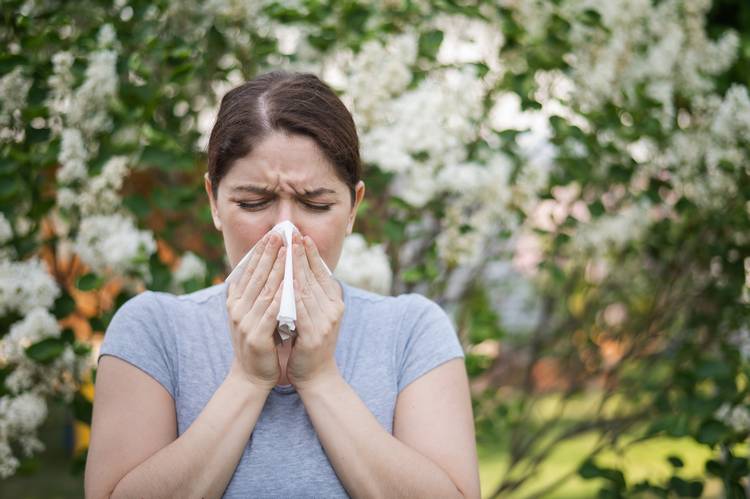


If allergy season feels more intense or longer than it used to in Northeast Ohio, you’re not imagining it. This region consistently ranks among the most challenging in the country for seasonal allergies, and this year is expected to be particularly severe.
 Seasonal allergies can hit hard in Northeast OhioBut the real story goes beyond pollen counts. It’s about how your body interprets something that, for most people, is completely harmless.
For those who suffer from allergies, the season can be agonizing. Dr. Gary Grosel explains the effects of allergens and offers some solutions for coping with allergy season in Northeast Ohio.
What pollen is and why it’s everywhere
Pollen is not simply “released into the air.” It’s part of how plants reproduce. Trees, grasses, and weeds produce microscopic grains designed to travel—by wind—to fertilize other plants.
The problem is that these particles are built to move. They’re lightweight, airborne, and in some cases, incredibly abundant. A single ragweed plant, for instance, can release up to a billion pollen grains, and those particles can travel hundreds of miles—meaning you don’t need to be near ragweed to feel its effects.
What’s happening inside your body
For people with allergies, the issue isn’t the pollen; it’s the immune system’s response to it.
 Genetics play a significant role in seasonal allergies, so if they run in your family, your risk increases.Instead of recognizing pollen as harmless, the body treats it like an invader. This triggers the production of antibodies and the release of histamine, a chemical that causes inflammation.
That inflammation is what leads to the symptoms people know all too well: sneezing, congestion, itchy eyes, and fatigue. In simple terms, your body is mounting a defense against something that doesn’t require one.
Why some people react and others don’t
Some immune systems are simply more sensitive than others. Genetics play a significant role, so if allergies run in your family, your risk increases.
But environment matters, too. People who grow up in very clean or urban settings may have less exposure to microbes early in life, which can influence how the immune system develops and responds later on.
However, you don’t inherit a specific allergy; you inherit the tendency to develop them. That’s why two people in the same household can have completely different reactions to the same environment.
Why Northeast Ohio is uniquely challenging
Northeast Ohio creates what you could call a “perfect storm” for allergies.
 Allergy season in Northeast Ohio is tough on many people.In early spring, tree pollen dominates—oak, maple, birch, and ash are the top offenders. Those tree pollens give way to grasses in late spring and early summer, followed by weeds—especially ragweed—into the fall.
Rather than clean transitions between allergies, these seasons often overlap, extending exposure. Some allergy seasons (like ragweed) have gotten longer in recent years.
Weather patterns amplify the problem. Warm, dry, breezy days spread pollen more efficiently. Rain may offer temporary relief, but levels rebound quickly. And broader climate trends—longer growing seasons, and later frosts—are extending allergy season across the Midwest.
Are symptoms getting worse?
Air pollution can interact with pollen, making it more irritating to the respiratory system. Urban heat can increase pollen production and potency. And pollen doesn’t stay outside—it clings to clothing, hair, and surfaces—continuing exposure long after you come indoors.
For some people, allergies also overlap with asthma, which increases airway inflammation and makes breathing more difficult.
Beyond the obvious: Practical ways to manage exposure
Allergy medication can help, but it’s only part of the solution.
Timing matters, too. Pollen levels are typically highest in the morning, so adjust outdoor activity to reduce exposure. Simple habits—like showering or changing clothes after being outside—can significantly limit how much pollen follows you indoors.
Inside, high-efficiency air filters and keeping windows closed during peak pollen periods can reduce indoor buildup.
Some people use complementary approaches like saline nasal rinses, which physically remove pollen from nasal passages. Others turn to eating local honey, with the theory that low-level exposure to pollen and other allergens will build tolerance. While honey does have some health benefits, there is little evidence of its effectiveness in treating allergies.
These approaches can help manage symptoms but shouldn’t replace medical guidance.
 Dr. Gary Grosel,The bigger picture
What’s happening in Northeast Ohio isn’t just “a bad allergy season.” An increase in allergy sensitivity is a combination of biology, geography, and changing environmental conditions.
Understanding that your symptoms are the result of your immune system, not the pollen itself, can help shift how you approach treatment and prevention.
The goal isn’t to avoid the season entirely. It’s to navigate it with a better understanding of what your body is doing and how to work with it, not against it.
Dr. Gary Grosel is the chief medical officer for Ohio in the commercial line of business for UnitedHealthcare, where he helps design and implement clinical quality and affordability strategies to better serve the health care needs of consumers and employers across the state. Dr. Grosel is a board-certified OB/GYN, bringing more than 25 years of experience as a practicing clinician, entrepreneur, and wellness advocate.