Restauranteur Doug Katz on what the Michelin Guide means for Cleveland dining
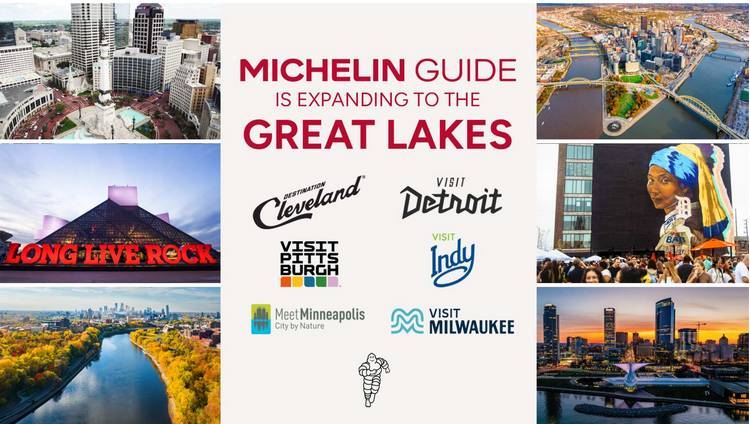

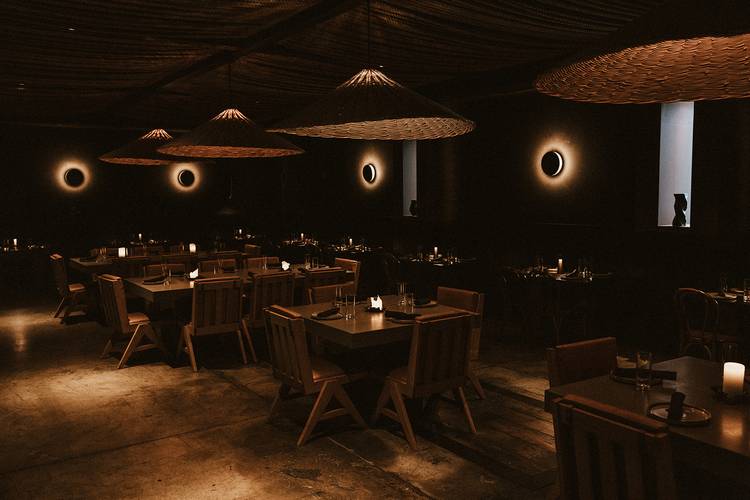

Cleveland's dining scene is about to get international recognition as the prestigious Michelin Guide expands to include the American Great Lakes region—covering Cleveland, Detroit, Indianapolis, Milwaukee, Minneapolis and Pittsburgh.
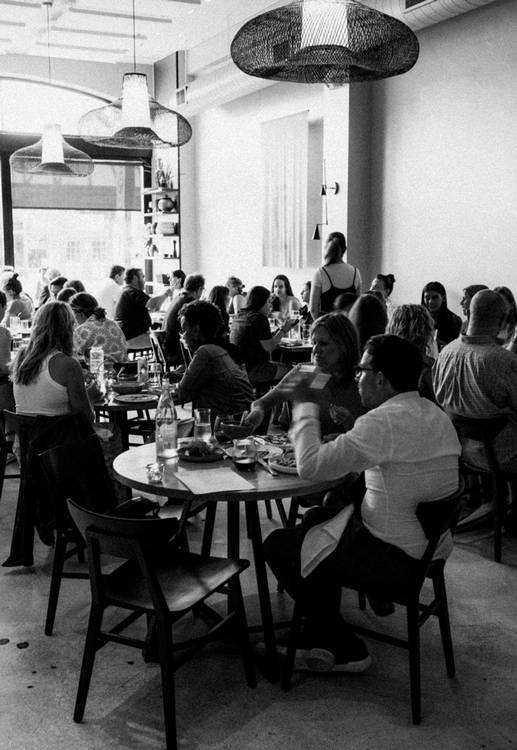
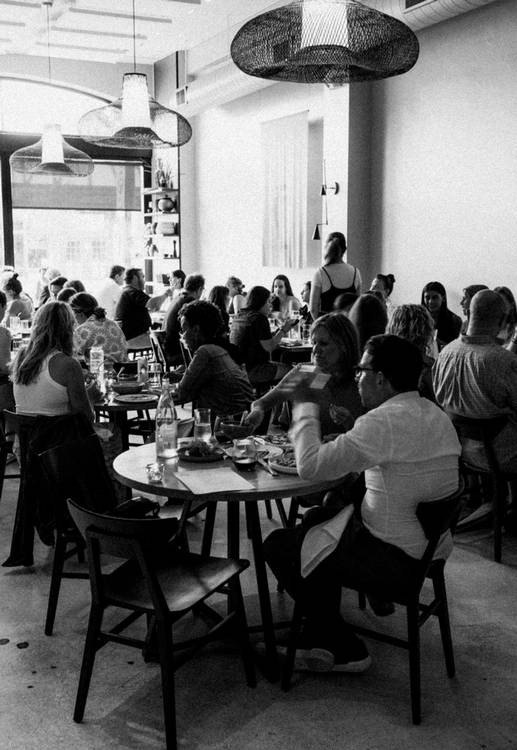 Zhug in Cleveland Heights.Destination Cleveland and other Midwest convention and visitors bureaus (CVBs) announced their participation in the new Michelin guide at a press conference in Milwaukee last Wednesday, April 8.
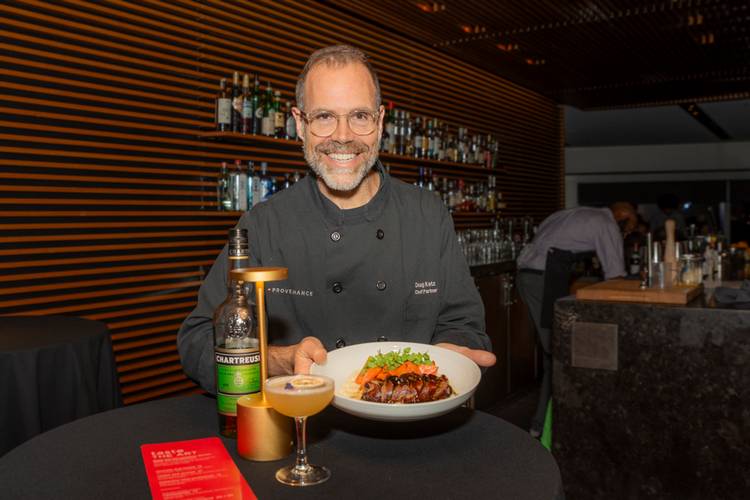
For local restaurateur Doug Katz, Michelin’s presence in Northeast Ohio represents a watershed moment for the city's culinary identity. Katz operates several restaurants under Edgewater Hospitality, including bistro fare Kiln in Shaker Heights, Mediterranean Zhug in Cleveland Heights, and Indian small plates Amba in Ohio City.
"It's an amazing feat—it's something that I never expected, but I'm so happy that this is happening," Katz says. "The world is now going to know more about Cleveland through dining. This puts Cleveland on the map in a way that we haven't been on the map before."
The Michelin Guide was started in 1900 in a small French town by Michelin Tire Company founders, brothers André and Édouard Michelin, as a resource to encourage road tripping for travelers in France. It historically focused on fine dining establishments in major metropolitan areas. Until recently, its American presence was limited to cities like New York, Chicago, Los Angeles, and San Francisco.
Michelin inspectors—hospitality industry veterans—visit restaurants and award one to three stars. Ratings are based on ingredient quality, flavor mastery, technique, chef personality, and consistency. One star means “High quality cooking, worth a stop,” two stars mean “Excellent cooking, worth a detour,” and three stars mean “Exceptional cuisine, worth a special journey.”
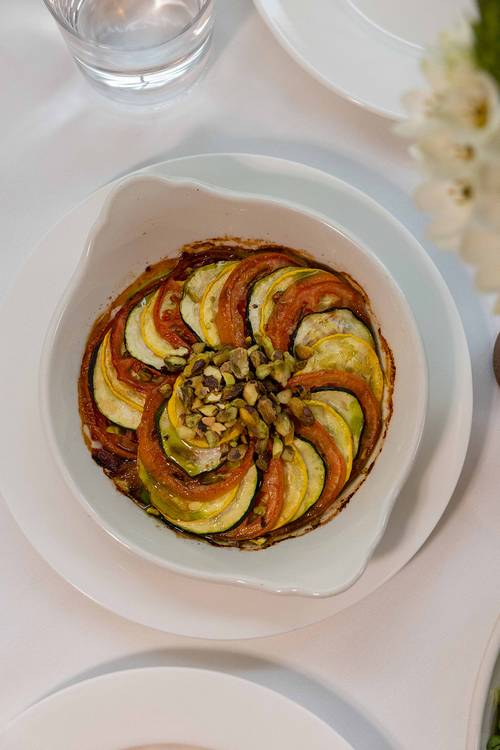
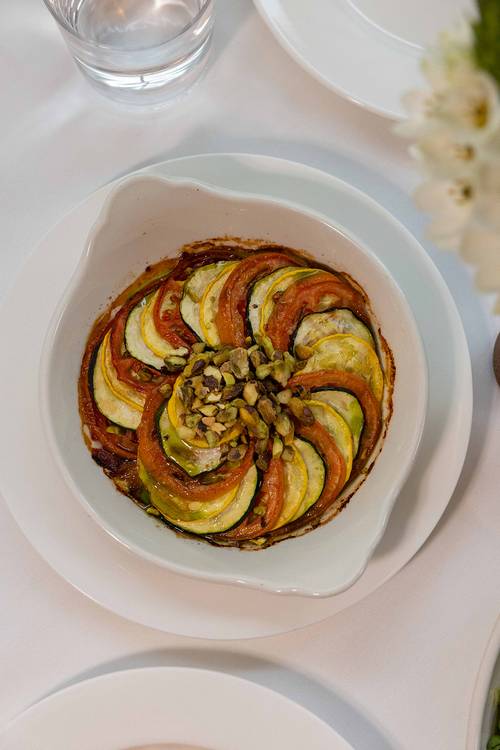 Kiln Restaurant at the Van Aken District in Shaker Heights.Katz says he believes the inclusion of Cleveland and the other Great Lakes cities reflects a broader evolution in how Michelin evaluates restaurants—moving beyond traditional white-tablecloth establishments to embrace the full spectrum of dining experiences.
"I think for us what's great is [customers are] really going to be able to come in and see what the flavor of Cleveland is, with all of our nooks and crannies, and find these amazing food experiences that fit with modern dining and that we have today," Katz predicts. "I think the Midwest expansion really is going to help Michelin market a new take on dining—that it's not all fine dining, 14-course, or one bite items. It could be a barbecue restaurant, or it could be some great little noodle shop. It could be so many different things today."
Michelin’s Bib Gourmand designations, which recognize “exceptionally good food at moderate prices,” get Katz particularly excited.
"Bib Gourmand is highlighting a food experience that isn't necessarily that fine dining experience, but they'll give you a certain award, recognition for offering an amazing food experience," he explains, adding that he believes the Bib Gourmand approach is better suited to Cleveland's dining culture than the traditional three-star system.
"I think in Cleveland, we'll have more Bib Gourmands and one star Michelin restaurants over getting two-star or three-star Michelin ratings," he predicts.
Additionally, Katz says the Michelin Guide's arrival will be validation that Cleveland is indeed now a travel destination.
"I really feel like it's our time,” he says. “Our cost of living is less. It's an amazing quality of life here. The fresh water, the number of restaurants and cultural institutions, and our neighborhoods. I have everything I would ever want.”
 Chef Doug KatzThe chef also highlights Cleveland's natural advantages for culinary excellence—noting the region's agricultural resources and seasonal ingredients.
"We have so much amazing food here—it's like we have the paints to paint with to make these amazing meals," Katz says, adding that the Michelin Guide's expansion represents more than just restaurant ratings. It's an opportunity for Cleveland to tell its story to a global audience.
"We know what we like in Cleveland, we know what we have,” he explains. “We are not boastful. We're humble. And we really need other people to tell our story because we don't really tell our story—we just like it for ourselves."
As an added bonus, the Michelin Guide Great Lakes edition will create opportunities for culinary tourism throughout the Midwest, Katz points out.
"I think it's great to have all these connected cities in the guide,” he says. “It allows for someone to use these guides and stop here and stop there and stop in these different Midwest places and create a trip.”