
Body of Work: AIA talk highlights the work, philosophy of Axi:Ome Studio's Sung Ho Kim

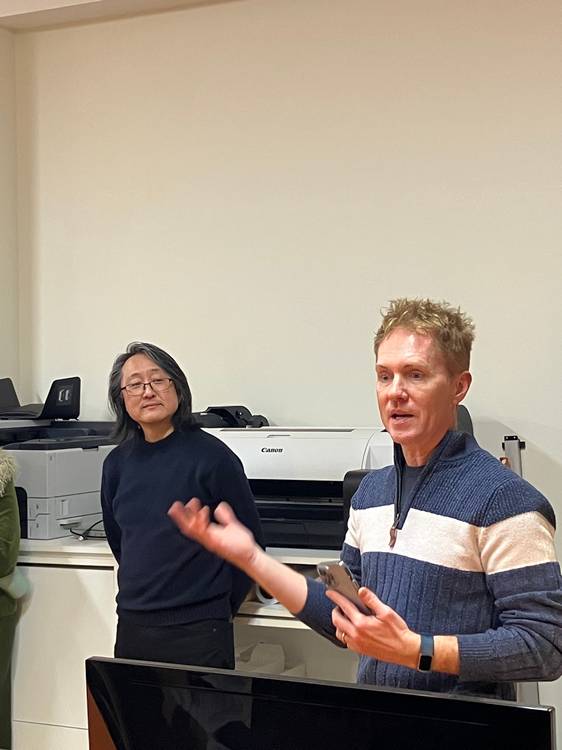
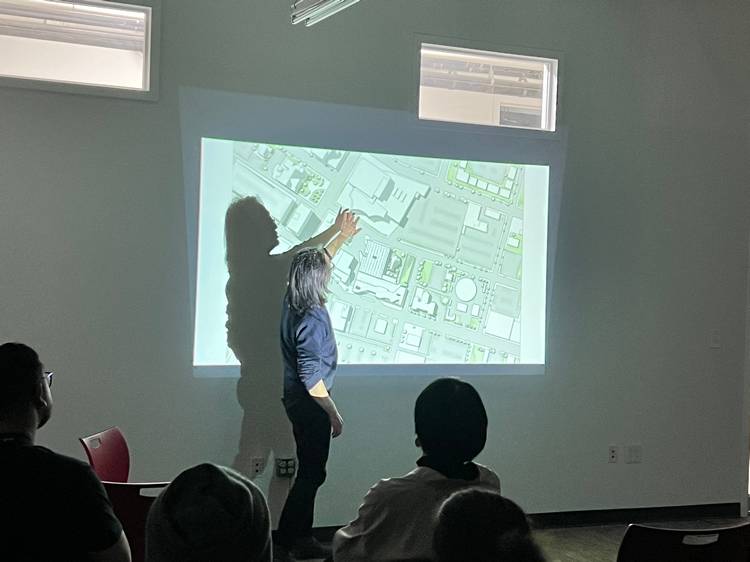
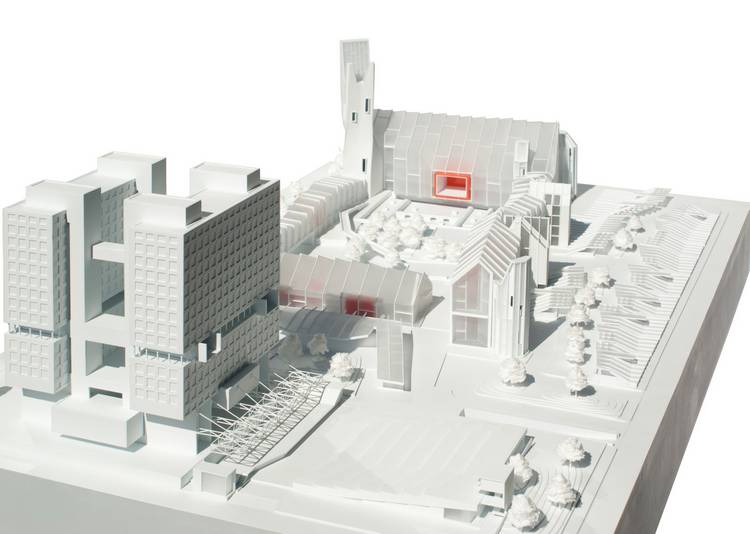
The American Institute of Architects Cleveland (AIA) Cleveland hosted its first Body of Work design lecture of 2026 on Thursday, Feb. 5 with an immersive presentation by Sung Ho Kim and Heather Woofter.
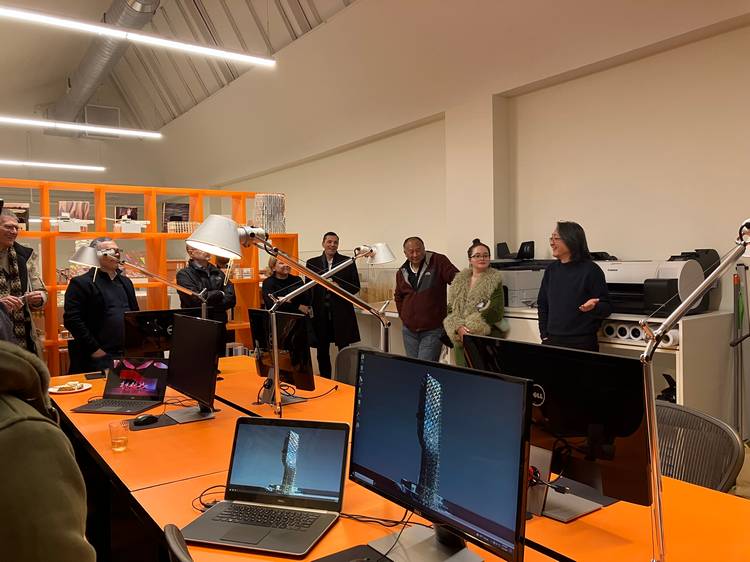
Held at Axi:Ome, Kim’s and Woofter’s interdisciplinary architecture and design research firm at Tyler Village in the St. Clair Superior neighborhood, the evening offered more than a traditional lecture. The event invited attendees into the working environment where ideas are tested, challenged, and shaped through research, making, and constant iteration.
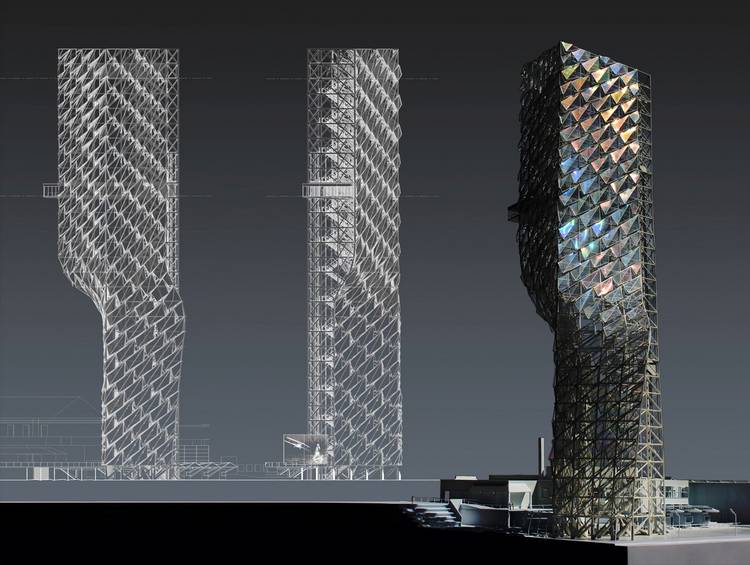
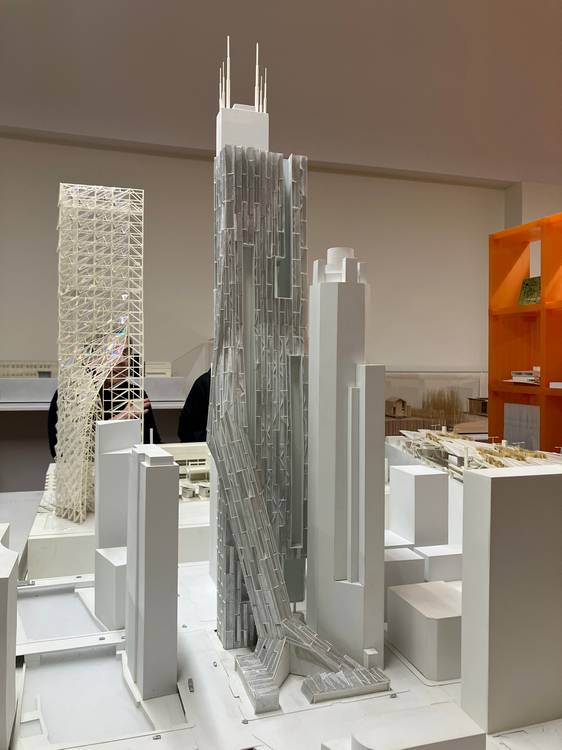
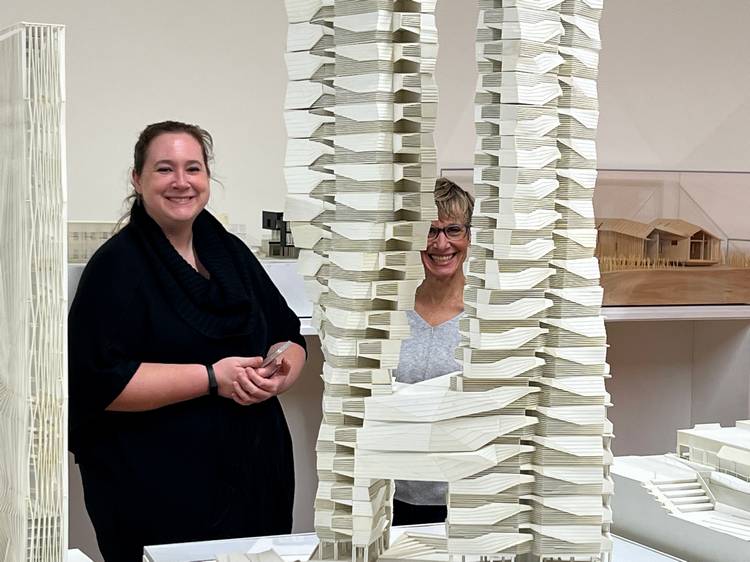
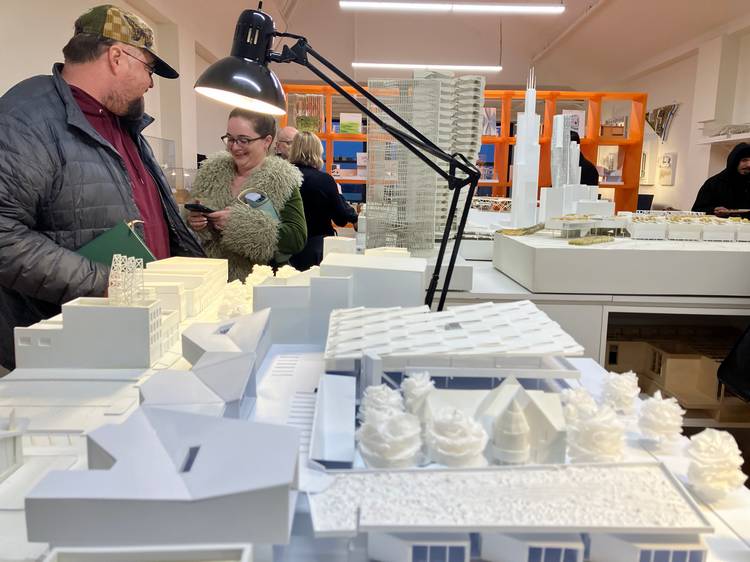
 Architectural skyline models.Kim came to Northeast Ohio in 2023 to lead the architecture and urban design programs at Kent State University’s College of Architecture & Environmental Design—the region’s only university architecture program and the primary pipeline for educating many of Cleveland’s architects and designers.
Kim’s arrival in Kent marked an important moment for the region, bringing a nationally and internationally experienced educator into direct conversation with Cleveland’s built environment. Prior to moving to Ohio, Kim taught architecture and design at Washington University in St. Louis, while maintaining an active professional practice.
A working architecture lab
Founded by Kim in 2001 in Providence, Rhode Island, Axi:Ome grew out of Kim’s work in public media, art, and architectural research. He moved the firm to St. Louis in 2003, when Woofter and Kim partnered as co-directors.
From its earliest days, Axi:Ome has operated less like a conventional office and more like a laboratory, where architecture is investigated through materials, form, culture, and environment.
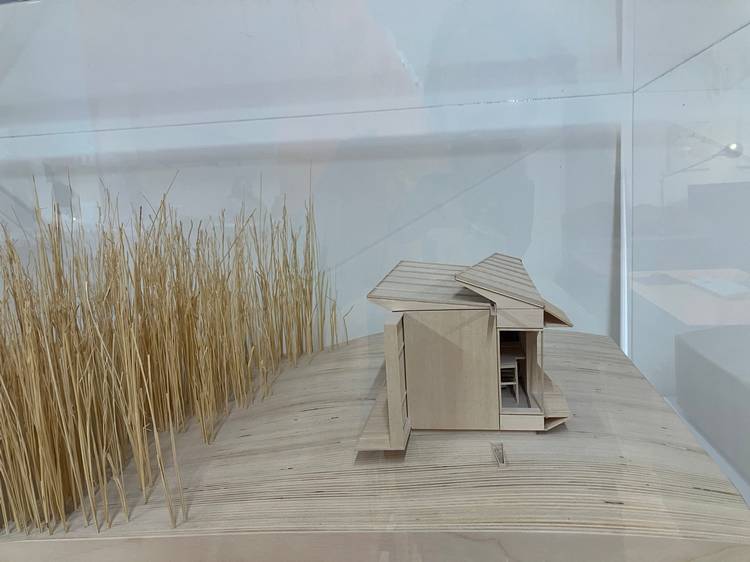
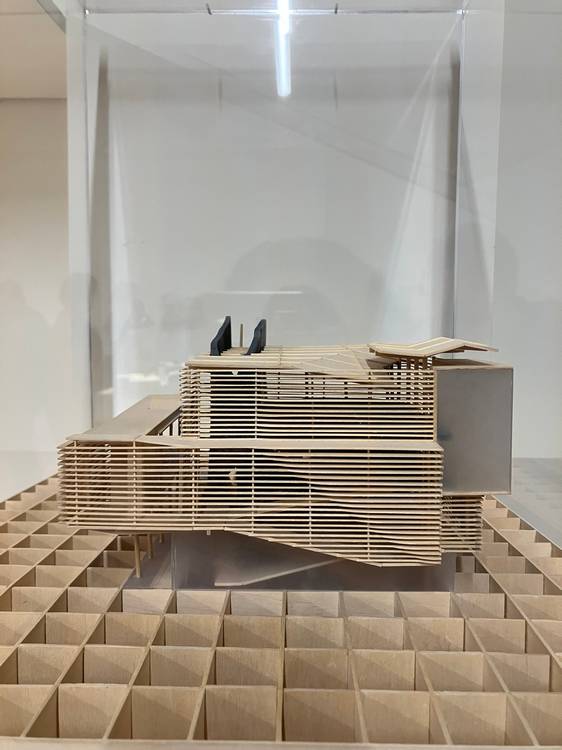
Company members use physical model-making as their primary design tools. At a time when much of architecture has moved almost entirely onto computer screens, Kim and Woofter continue to insist on building and rebuilding models as a way of thinking through ideas.
These models are not simply presentations of finished designs—they are working objects, used to test proportion, light, structure, and human experience. The name “Axi:Ome” reflects this mindset—combining the word “axiom,” meaning a foundational truth, with “forme,” meaning shape or assembly, to express architecture as a process of assembling ideas into physical reality.
A life-sized tour
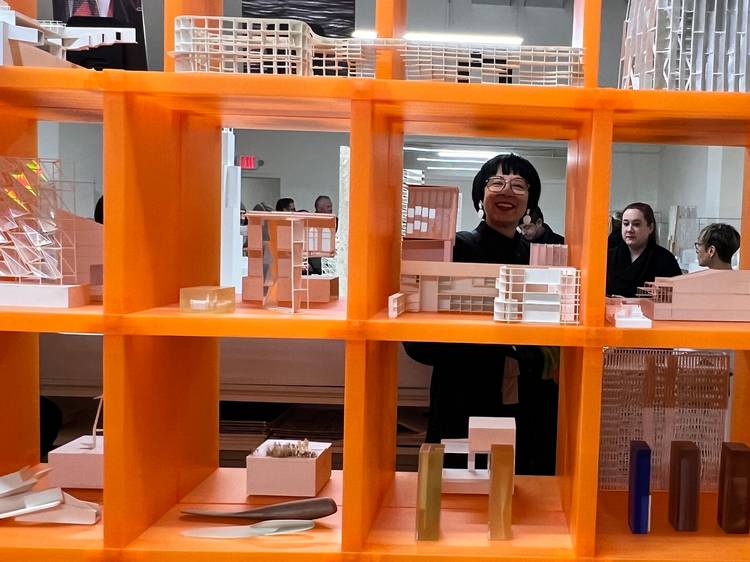
The Body of Work program began with time for attendees to explore the studio itself, moving among an extraordinary collection of physical models, drawings, studies, and digital explorations. Large-scale models of residential projects, cultural institutions, towers, and speculative urban proposals fill the space. Some models stretch across several feet and are several feet high—allowing visitors to walk around them and experience scale and mass in a way that drawings cannot convey.
Being surrounded by these objects makes one of Kim’s central points immediately clear: Physical models are a universal language. Anyone, architect or not, can understand them.
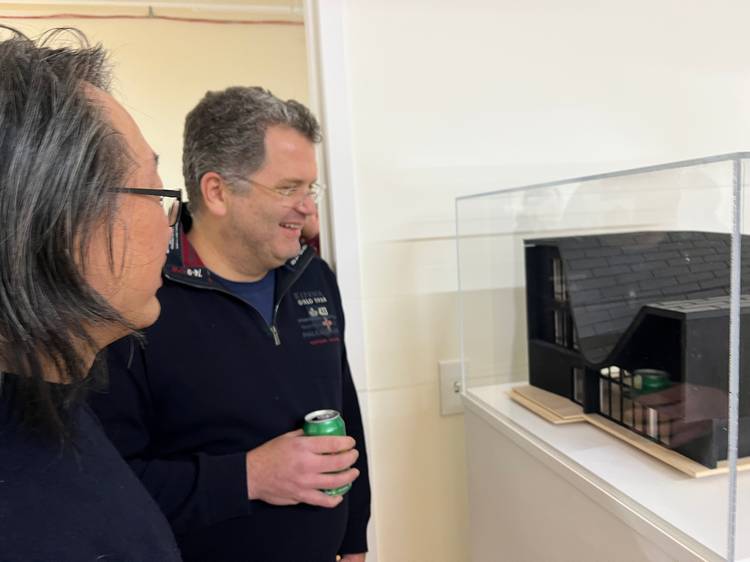
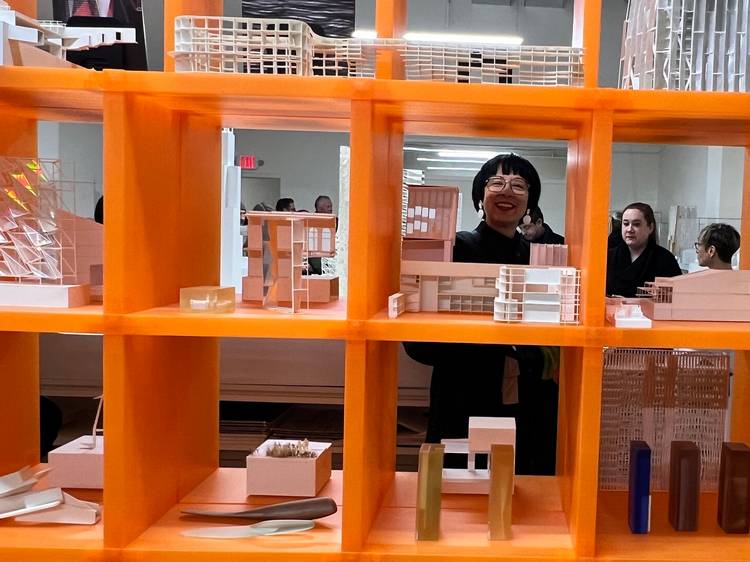 Architectural models displayed at Axi:Ome Studio.During the lecture, Kim emphasized that model-building is not about nostalgia for older methods, but about clarity and accountability. For instance, he explained that a model can be touched, examined from every angle, and shared with clients and communities as a concrete expression of intent.
Kim referenced architect Eero Saarinen, who famously built and tested full-scale portions of the Gateway Arch’s stair system to understand how the experience would feel to the human body. That kind of understanding, Kim argued in his talk, only comes from making things real.
This philosophy carries directly into Kim’s role at Kent State University. As Architecture & Urban Design program director, he has intentionally re-centered physical creation within the curriculum—encouraging students to think with their hands as well as their minds.
Student-made models line the halls and studios of Kent State’s architecture building, thanks to Kim, signaling a renewed emphasis on architecture as a discipline rooted in experimentation, craft, and public responsibility.
Value in the process
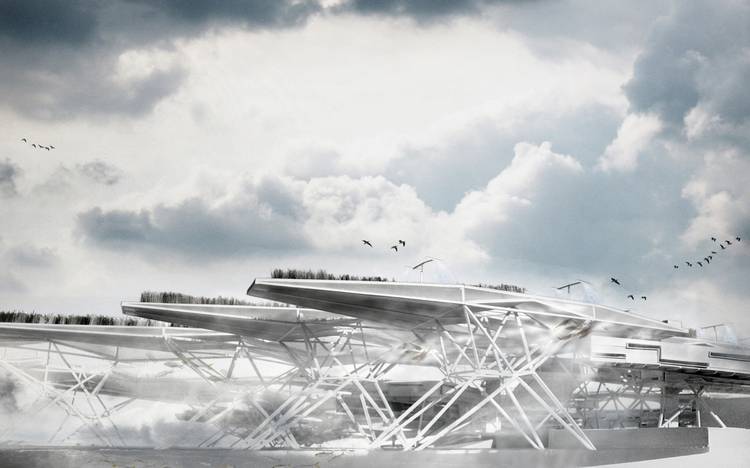
Kim presented a wide range of Axi:Ome projects at the Body of Work event—from built cultural and educational work in St. Louis to conceptual and international proposals. These examples included the Center of Creative Arts (COCA) expansions, urban installations, museum and academic buildings, and speculative projects in South Korea, Russia, and Cleveland.
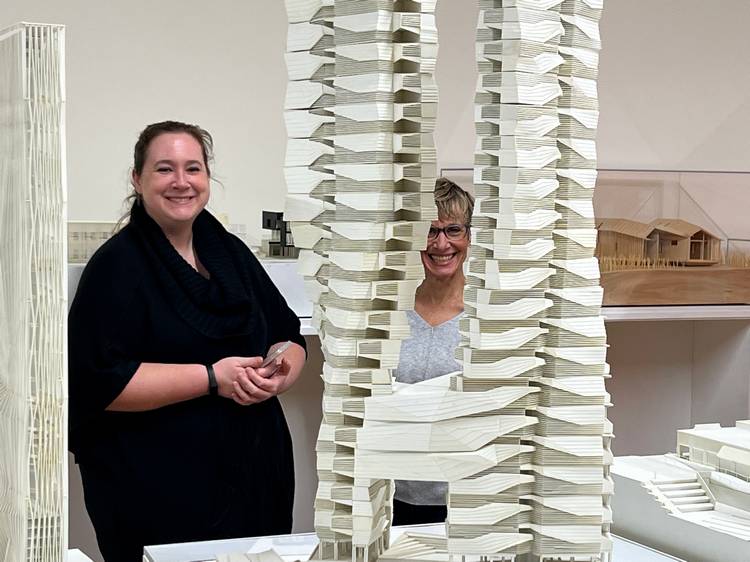 Architectural models on display at Axi:Ome Studio.While not every project is realized, Kim notes that the value of the work lies in the process. Each project advances an idea, tests a possibility, and feeds back into future work, whether in the office or the classroom.
At the core of Kim and Woofter’s practice is a belief that architecture matters because it shapes how people live, move, gather, and feel in the world. By moving fluidly between teaching and professional practice, research and construction, speculation and reality, they model a way of practicing architecture that is both intellectually rigorous and deeply connected to everyday life.
The recent evening at Axi:Ome embodied the intent of the Body of Work series: To pull back the curtain on architectural practice and reveal the thinking behind the buildings and spaces that shape our cities.
For attendees, especially those outside the architecture profession, the program offered a rare and engaging glimpse into how architecture is imagined, tested, and ultimately made—and why it matters to Cleveland and the people who call it home.
