Ohio Bell Telephone Building: Once Cleveland’s tallest building and a hub for technology




Benjamin Hubbell and W. Dominick Benes designed some of Cleveland’s more iconic and beloved buildings in the early 1900s—including the West Side Market, Wade Memorial Chapel in Lake View Cemetery, the Masonic Auditorium, and the original 1916 structure for the Cleveland Museum of Art.
The Hubbell and Benes partnership lasted from 1897 until 1939. Another of the firm’s signature designs—the 1927 Ohio Bell building—is less noted for its architecture and more often seen as the model for “The Daily Planet” building from the Superman comics, which Glenville residents and childhood friends Jerry Siegel and Joe Shuster created in 1933. Shuster always dismissed the similarity.
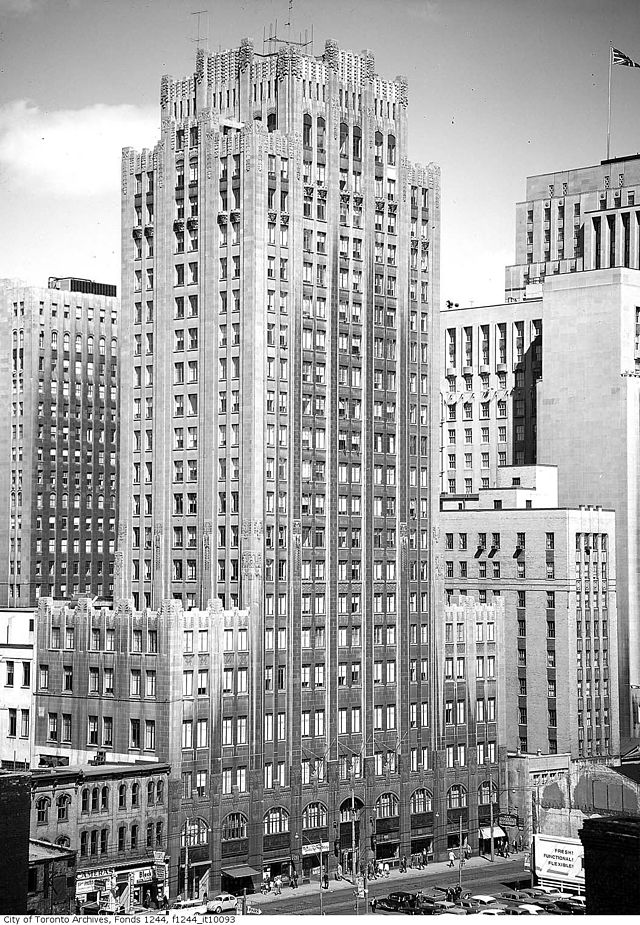
The 1929 Toronto Daily Star building, where Shuster worked as a youngster, also resembled "The Daily Planet" building. Both Cleveland and Toronto have long claimed the inspiration to stem from their cities. But Shuster claimed that neither building was the influence for his comic strip.
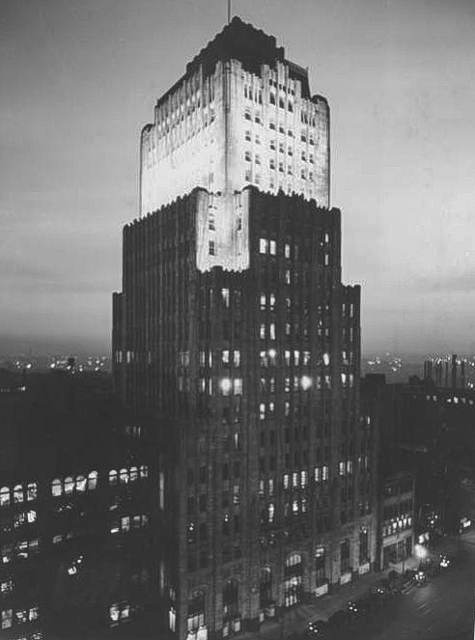
Years before Superman was even thinking about leaping tall buildings in a single bound, Hubbell and Benes designed the 1927 Ohio Bell Building at 750 Huron Road.
 Ohio Bell Building, ca. 1927The partners modeled their design after Art Nouveau architect Eliel Saarinen’s second-place design for Chicago’s 1925 Tribune Tower, which Hubbell and Benes called “Modern American Perpendicular Gothic,” but more familiarly known as Art Deco.
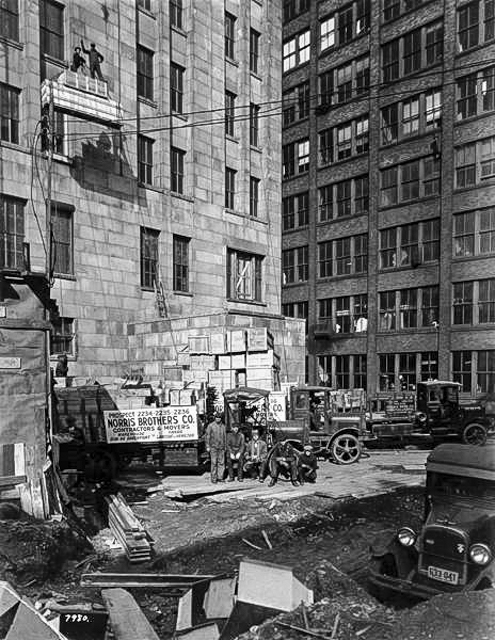
Construction on the building began in 1925 and was completed in 1927 for $5 million, despite several labor strikes—one of which halted construction for three weeks in 1926 before a judge ordered the striking workers to return.
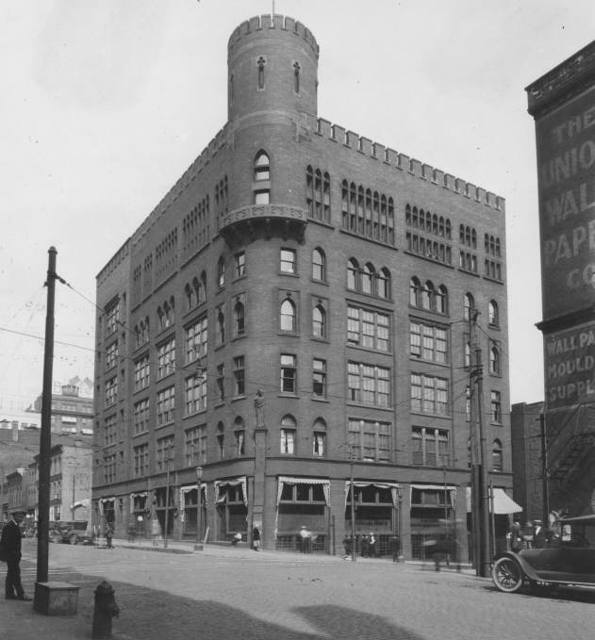
Hubbell and Benes’ Ohio Bell building replaced Charles Schweinfurth’s 1894 Cleveland Telephone Company Building—which was the last building to be torn down on Champlain Street to make way for the construction of the Terminal Tower.
At 365 feet tall and 24 stories, the Ohio Bell Building was the tallest building in Cleveland for a few months before the 708-foot, 52-floor Terminal Tower overshadowed it in 1928.
Ohio Bell made innovative strides in telephone technology in its building for nearly four decades—including a $6.5 million relay system that allowed long-distance calls to be made to major cities along the East Coast—laying the groundwork for long-distance domestic and eventually overseas calls. In the 1970s Ohio Bell installed its $40 million switching system throughout two floors of the building. The “Super Switcher” allowed for a higher volume of calls at faster speeds.
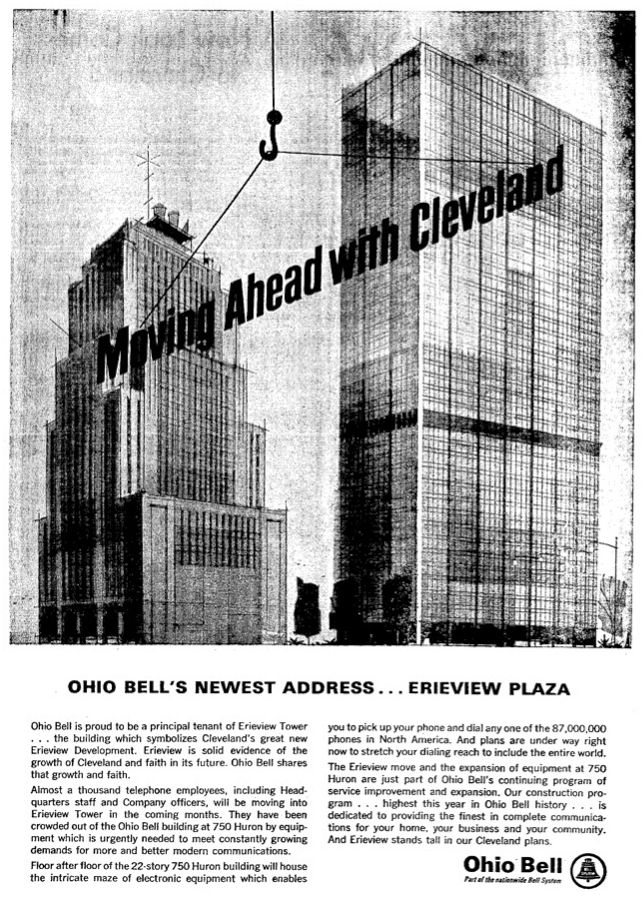
In 1964, Ohio Bell moved into the newly constructed Erieview Tower, but maintained a switching center in the Huron Road Building.
Today, the 1927 building, once known as the Ohio Bell Building, is known as the AT&T Huron Road Building and is still a thriving part of downtown Cleveland’s business district and skyline.
 Cleveland Masterworks is sponsored by the Cleveland Restoration Society, celebrating 50 years of preserving Cleveland’s landmarks and cultural heritage. Cleveland Restoration Society preserves houses through the Heritage Home Program. Experience history by taking a journey on Cleveland’s African American Civil Rights Trail.Become a member today!