Climate warriors: Sustainable Economies helps organizations share positive conservation stories
.jpg)
.jpg)
.jpg)
.jpg)
.jpg)
.jpg)
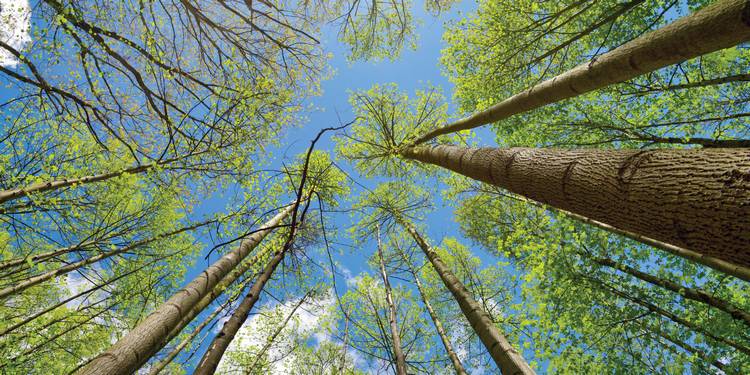
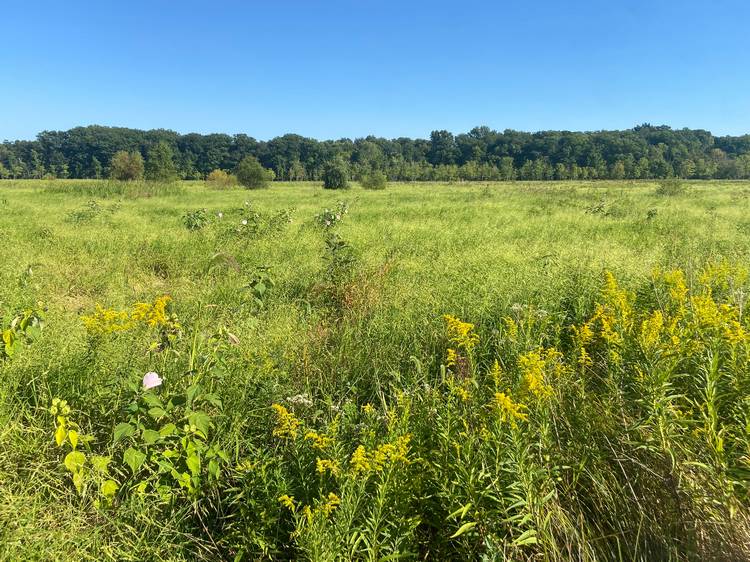
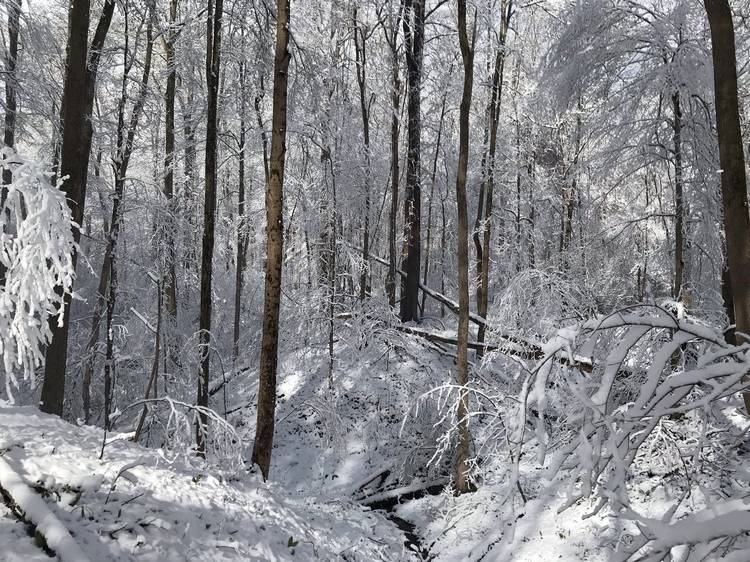
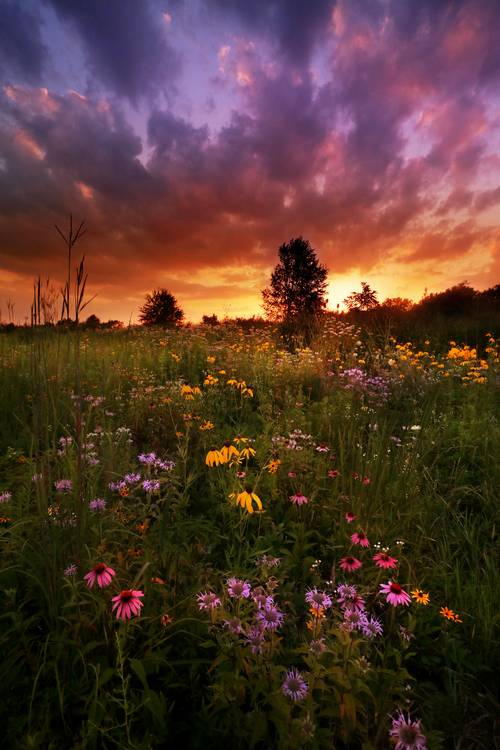
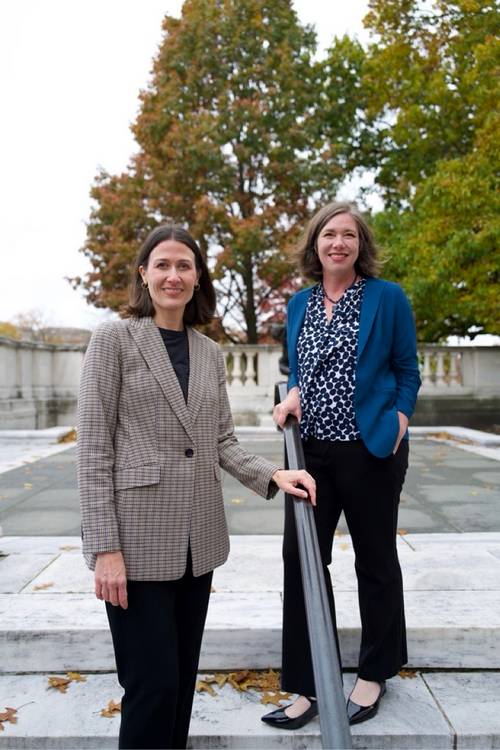
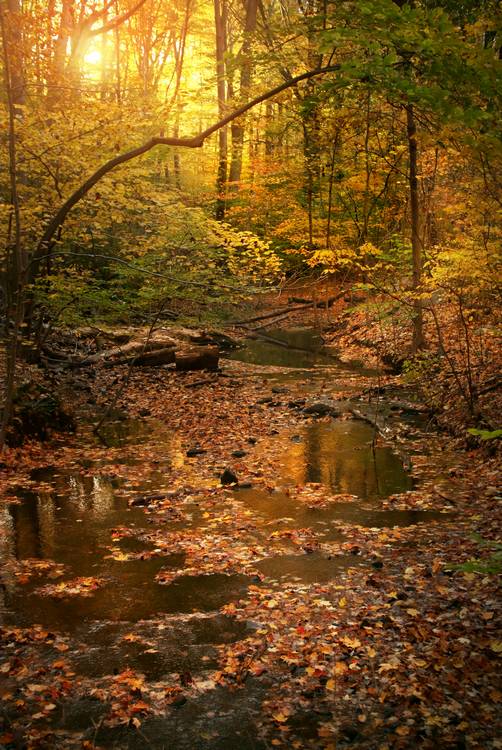
 Marissa Ferrari and Elizabeth SchusterThroughout Northeast Ohio, thousands of acres of wetlands, forests, and prairies are quietly fighting climate change. These natural landscape features absorb floodwaters that would otherwise damage homes, cool steamy summer temperatures, and provide habitats for endangered species.
Yet most people have no idea this conservation work is happening right in their own backyards.
The disconnect between impact and awareness is exactly what Sustainable Economies Consulting works to bridge. The women-owned firm, which launched in January 2025 in Wooster with offices in Shaker Heights, specializes in helping conservation organizations develop strategic plans and communications strategies to share their stories with the world.
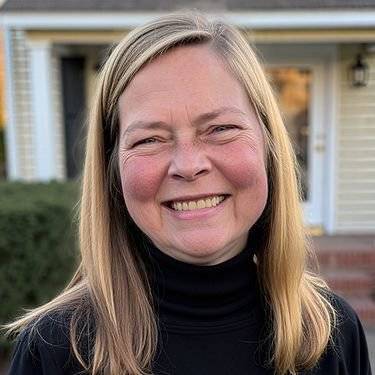
“Park districts are kind of the unsung heroes in the fight against climate change," explains Marissa Ferrari, who recently joined forces with company founder Elizabeth Schuster. “They're providing communities with cleaner air and water. They're helping to prevent flooding and wildfires, and they're promoting biodiversity that supports local food systems.”
The added bonuses, adds Schuster, are places where community members can experience cooler air temperatures and natural green space.
"But most people don't know that, or think about that," Ferrari notes. "They think about going to the park to hike, they think about going to the botanical gardens to look at the flowers and plants.
“But they're not really thinking about the fact that these are conservation organizations,” continues Ferrari, “they are protecting these natural areas and preserving hundreds of thousands of acres of natural areas across Northern Ohio. They are contributing in this massive way to fighting climate change."
A simple approach to wicked problems
With a background in environmental and agricultural economics, Schuster founded Sustainable Economies in 2019 and initially offered strategic planning and economic evaluation services to her clients.
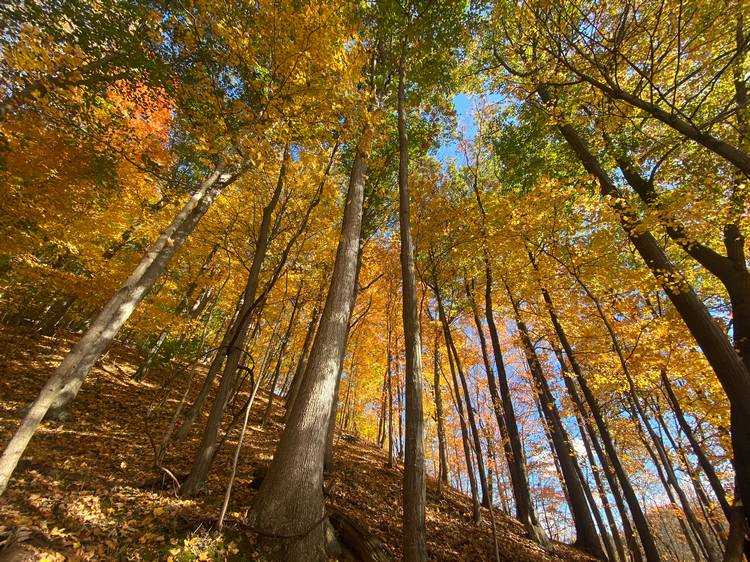
 Sustainable Economies empowers organizations like Cleveland Museum of Natural History to create positive change in places like Wolf Run Preserve.Schuster quickly realized that traditional approaches weren't sufficient for today's complex environmental challenges—factors she calls “wicked problems.”
"Wicked problems are things like climate change and food security that are hard to define and hard to solve. So they really take a more systems-level, collaborative approach," Schuster explains. "What we were finding is that across the field, across the United States, conservation nonprofits about 10 years ago were saying, ‘we have all these targets for biodiversity, for water quality,’ et cetera. We can see at the rate we're going, we're not going to meet those goals.’"
Schuster says she knew solving the wicked problems these organizations often face requires moving beyond traditional top-down strategic planning model and into a more collaborative model.
"A lot of the organizations that reach out to us, they're growing their staff, not all their staff knows what each other does, and they're all telling a different story about the organization,” Schuster explains.
“The most important thing in our process is that, for the first three months, we're talking to every staff, we're talking to community partners, and we're often engaging residents so we can collect data."
A unified story at Cleveland Museum of Natural History
For instance, Sustainable Economies is currently working on a project with the Cleveland Museum of Natural History (CMNH) that illustrates the challenges and solutions.
CMNH operates a Natural Areas Program that protects nearly 13,000 acres of land, from Kelley's Island to the Pennsylvania line.
"They have preserves and habitats...where there are wetlands, bogs, fens, forests, and places that have kind of disappeared from the rest of Northern Ohio,” explains Ferrari. “[CMNH also had] a lot of rare or threatened or endangered species that they have either protected or, in some cases, reintroduced to Northeast Ohio.”
One of CMNH’s signature projects at Mentor Marsh demonstrates the power of restoration work.
"[In the last dozen years, CMNH] eradicated just acres and acres and acres of an invasive species called Phragmites, and what they found after they did that was that the plants that had been there before the Phragmites took over still existed in the soil—the seed bed,” explains Ferrari. “The root matter was still there, and they were able to actually restore those native plants to the area."
Ferrari says the project "has won national praise, international praise. I think they just won an international award that they received in Brazil."
Mentor Marsh became Ohio’s first state nature preserve in 1971 and today is one of the largest natural marshes remaining along the Lake Erie shoreline.
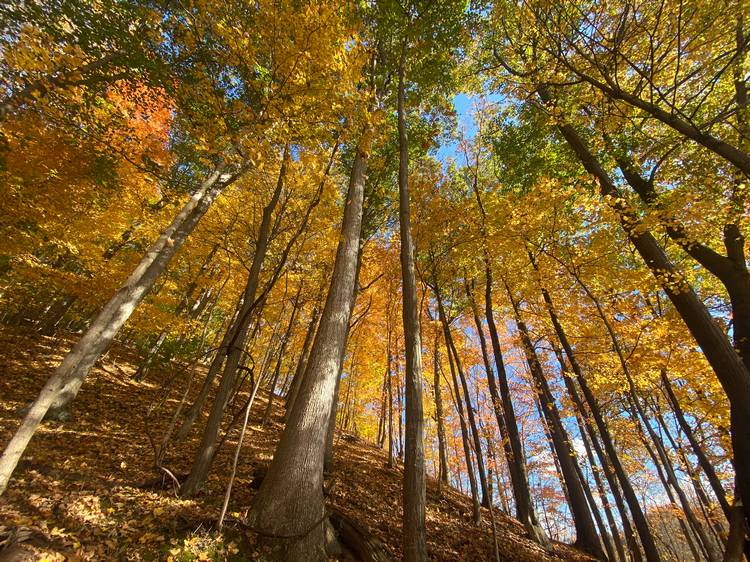
 Sustainable Economies empowers organizations like Summit Metro Parks to create positive change.Yet despite CMNH’s remarkable conservation work, Ferrari says "most people have no idea that they're doing that work outside of the museum walls."
Additionally, Sustainable Economies is developing a strategic plan for the CMNH's Natural Areas and Conservation Program and maintaining its List of Natural Areas.
"We’re helping them set 10-year goals for conservation and land protection," says Ferrari. “We just finished interviewing 23 community partners—ranging from people who own land in those areas to donors who have given toward those land protection efforts, to other land trust community partners who are working in that space.”
The communication challenge
The need for better storytelling has become critical for conservation organizations, so they can accurately share their work while also raising conservation funding.
Ferrari points to reporting from sources like the Chronicle of Philanthropy about how organizations' ability to navigate uncertainty directly correlates with their communication skills.
"The organizations that have operated in the traditional nonprofit model, where they're doing their good work and they're really focused on serving their communities, are really, really struggling because that lack of visibility has really hurt them," she explains.
“But the nonprofits that have built relationships with their constituents and are savvy at tooting their own horns, often find their stakeholders standing right there with them—understanding what's been going on, willing to pivot to replace some of the federal or public funding with private philanthropy or individual donations,” Ferrari continues.
She adds that the brand recognition and their reputation in the community often translates into a broad base of support.
Mixing science and stories
Additionally, Ferrari says they need to explain the importance of environmental preservation on an understandable level.
For instance, Schuster says she helps clients explain that preserved wetlands and trees slow floodwaters—preventing home damage while recharging groundwater supplies for future drinking water.
“Under the lens of climate change, these trees also cool the land during the summer,” she says. “The difference may be that you can go on a walk during the summer because of the cooling effect of the trees, but we've also heard of examples that it's reducing people's air conditioning bills."
Both Ferrari and Schuster highlight their skills and backgrounds in their consulting expertise—Ferrari in her abilities in organizational identity, branding, and communications strategy; Schuster in her environmental economics background.
"Before I start advising an organization on what they should be doing with communications or branding, we always talk to their audiences first,” says Ferrari. “So we do a lot of focus groups, interviews, surveys, workshops."
Schuster provides the analytical foundation. "Decision makers don't make decisions based on data alone,” she argues. “We could be like, ‘your wetland is worth $9.6 million,’ which was a real value from a real study, but that's just the first step in the conversation. You still need to have the relationships; you still need to have buy-in from the team."
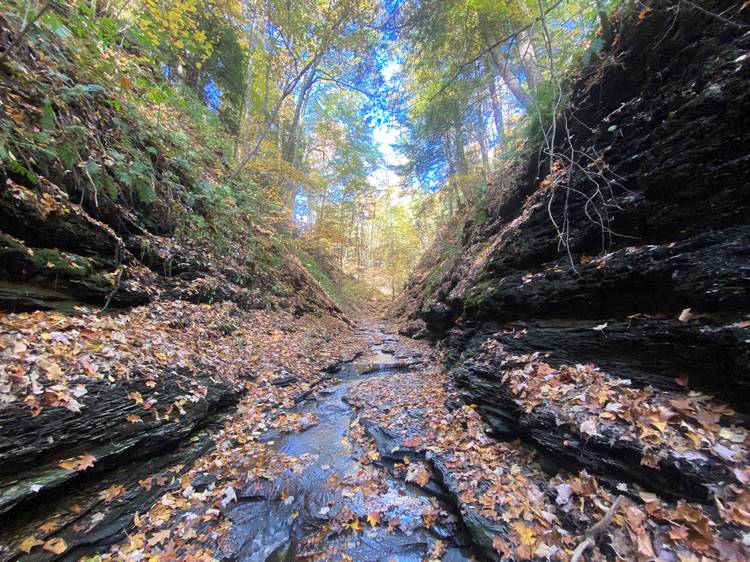
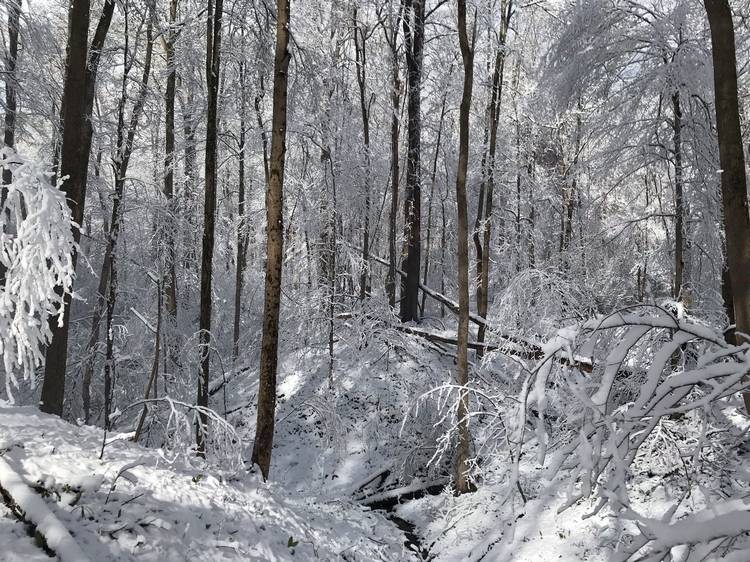 Sustainable Economies empowers organizations like Cleveland Museum of Natural History to create positive change in places like the Grand River Terraces.Filling a niche
Based on their market research and attending conferences like the Ohio Parks and Recreation Association's record-breaking 1,800-participant 2026 trade show earlier in February, Ferrari and Schuster say they believe they're filling a unique niche in environmental conservation.
"To our knowledge, we are the only women-owned firm in Ohio that's focused on working with organizations that are at the intersection of nature and communities,” says Ferrari. “We also think we're the only ones focused on both strategic planning and communications.”
Schuster says Sustainable Economies found added validation at the trade show. "There were no [other] booths that said they specialize in strategic planning and communications for conservation,” she boasts. “So that was an added validation that we're really adding some value and something unique to this field."
Some of their other clients include Summit Metro Parks, West Creek Conservancy, Holden Forest & Gardens, and the Cleveland Tree Coalition.
As the need for ecological, sustainability and conservation services continues to grow, Ferrari and Schuster say their objective for Sustainable Economies is simply to ensure that the unsung heroes of climate action get the recognition and support they need to continue their work.