Lighting the night: The artisans behind Cleveland Metroparks’ Asian Lantern Festival
Asian Lantern Festival: Know before you go
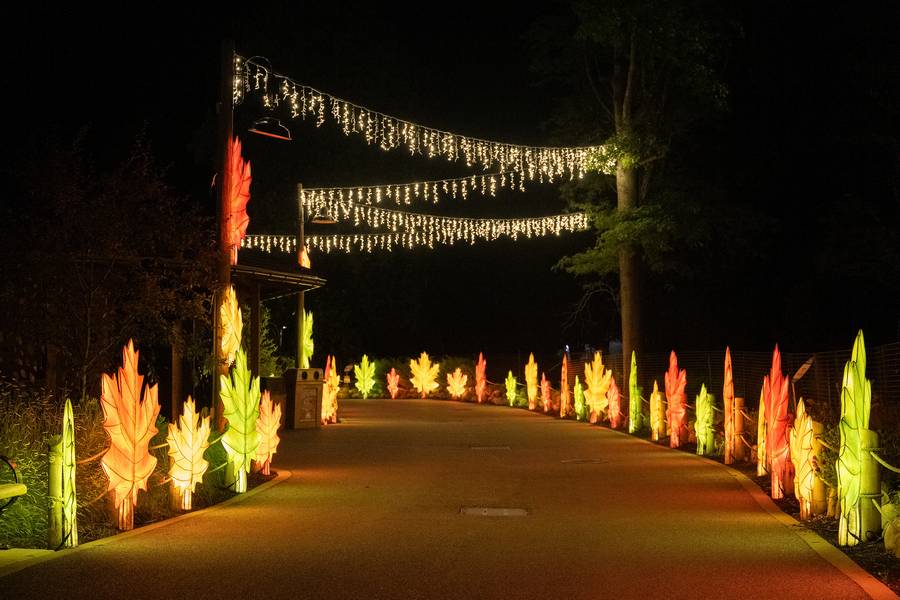
Asian Lantern Festival presented by Meijer, running through Sunday, August 23, offers the wonder of the Zoo illuminated after dark, live performances on the Fifth Third Bank Stage and a variety of culturally inspired cuisine at the MetroHealth Asian Food Market.
“There's something special about seeing the Zoo come alive after hours,” says Cleveland Metroparks chief marketing offi.cer Kelly Manderfield. “From families with young children to couples and groups of friends, Asian Lantern Festival, truly offers something for everyone.”
New this year, guests can expect more hands-on interactive experiences and the debut of the K-Pop Family Dance Party. Guests can dance the night away with an energetic, interactive experience designed for all ages to enjoy.
Throughout the evening, festival hosts keep the celebration going, featuring family-friendly K-Pop and global pop hits, host-led dance tutorials, and interactive games that invite guests of all skill levels to join the fun.
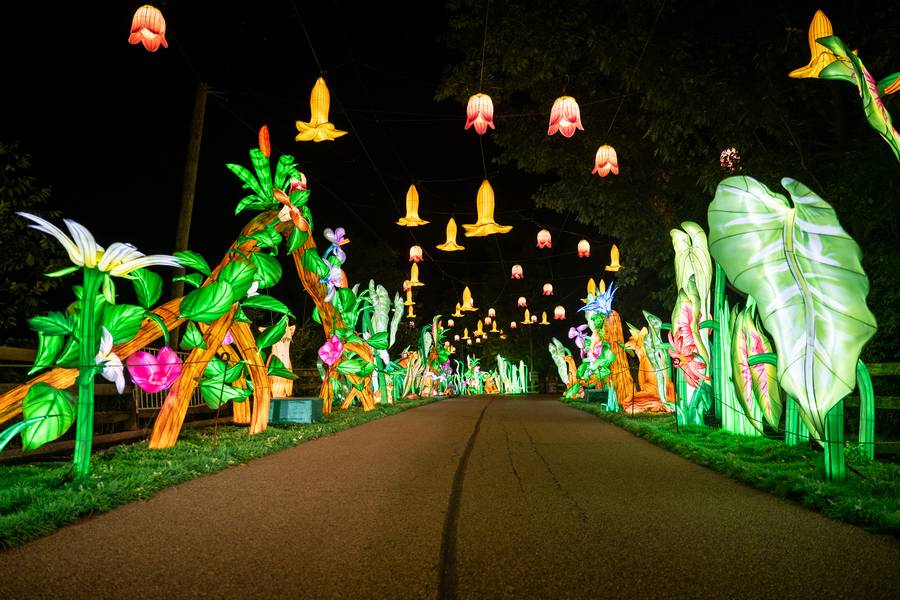
Additional interactive opportunities include several pedal, crank, and step-operated lanterns, walk-through tunnels and uniquely themed areas like the RainForest Path presented by CrossCountry Mortgage.
“This year, we've doubled down on entertainment with the addition of our K-pop dance party and even more experiences throughout the Zoo, making this a can't-miss summer tradition for guests of all ages,” says Manderfield.
The walk-through Asian Lantern Festival experience runs Thursdays through Sunday, 6:30 p.m. to 10:30 p.m.
Tickets are $24 each in advance or $70 for a four-pack for Zoo members, $27 or $80 for a four-pack for non-members; same day tickets, if purchased before 5:30 p.m. are $27 for Zoo members, $29 for non-members, and $87 for a four-pack; walk-up tickets after 6 p.m. are $30 for everyone.
The drive-through Asian Lantern Festival experience is on select nights from 6:30 p.m. to 10:30 p.m. Tickets are $49 per carload for Zoo members, $59 per carload for non-members.
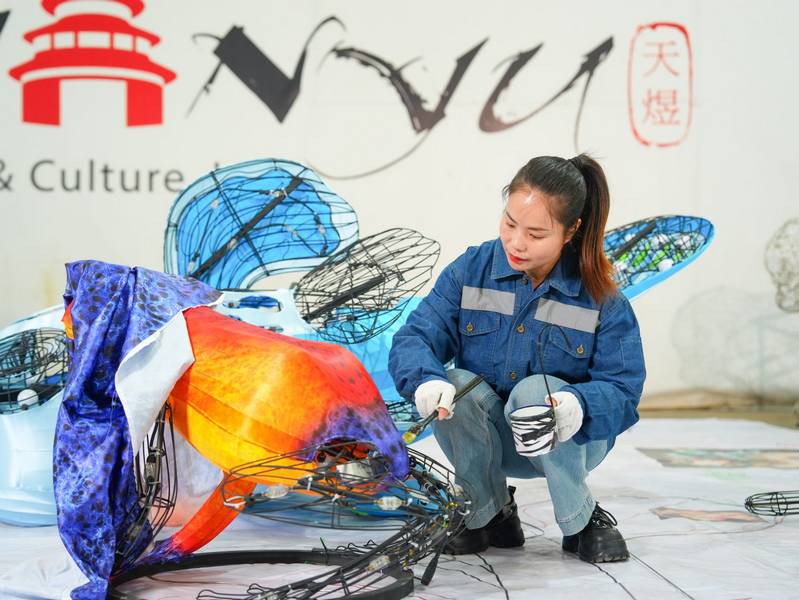
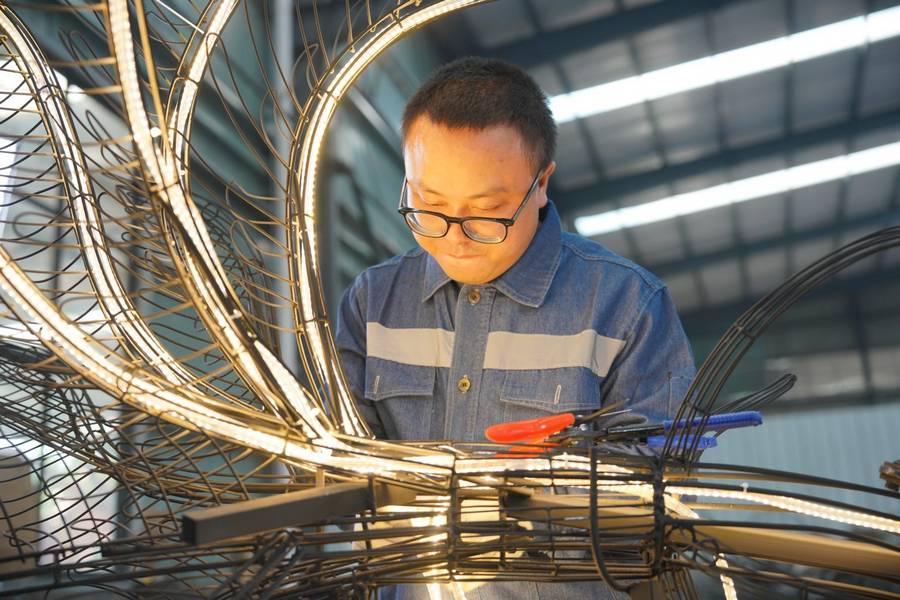
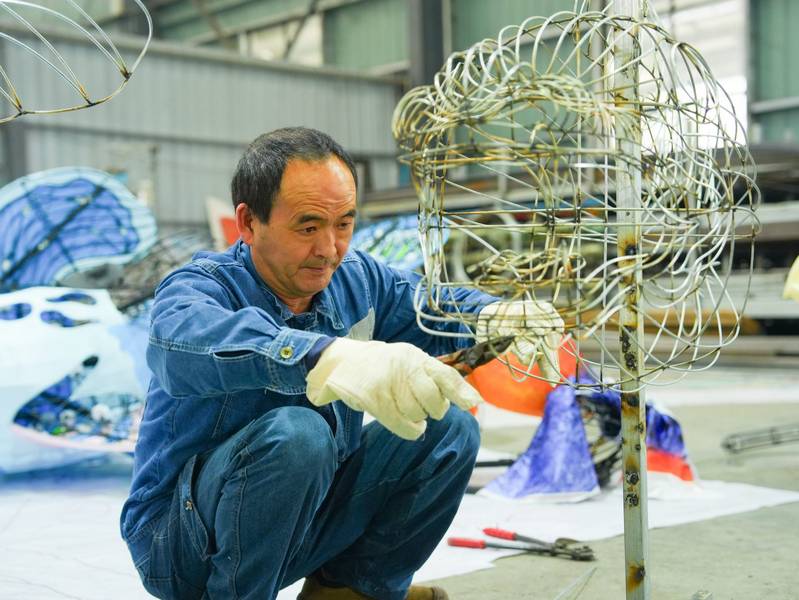
 A Tianyu structural artisan works on a piece.The Asian Lantern Festival highlights artistry that ascends beyond language.
Since its debut in 2018, the Cleveland Metroparks’ Asian Lantern Festival has drawn more than 150,000 guests annually to experience the artistry of hundreds of handcrafted illuminated lanterns, along with live acrobatics, interactive displays, and culturally inspired cuisine.
Zoo officials were busy earlier this past spring—setting up more than 1,000 illuminated lanterns to light up the Zoo after dark for its ninth Asian Lantern Festival.
This year’s festival includes some of the largest displays yet, including a 100-foot-long, four-story palace, sprawling Chinese gardens along the Zoo’s Waterfowl Lake, and a half-dozen giant walk-through lanterns that surround guests with colorful flowers.
Behind every illuminated display is a team of artisans from Zigong, China, whose centuries-old craft blends traditional techniques with modern technology.
The vibrant lanterns and installations are designed and built by Tianyu Arts & Culture, in Zigong, China—a city affectionately known as the “City of Lanterns.” Tianyu is the largest Chinese lantern festival producer in North America and is a subsidiary of Sichuan Tianyu Culture Communication Co., Ltd., headquartered in China’s Sichuan Province.
The Asian Lantern Festival opened last Thursday, July 9 and runs through Sunday, August 23. Both walk-through and drive-through experiences are offered for spectators to view the lantern displays throughout the zoo.
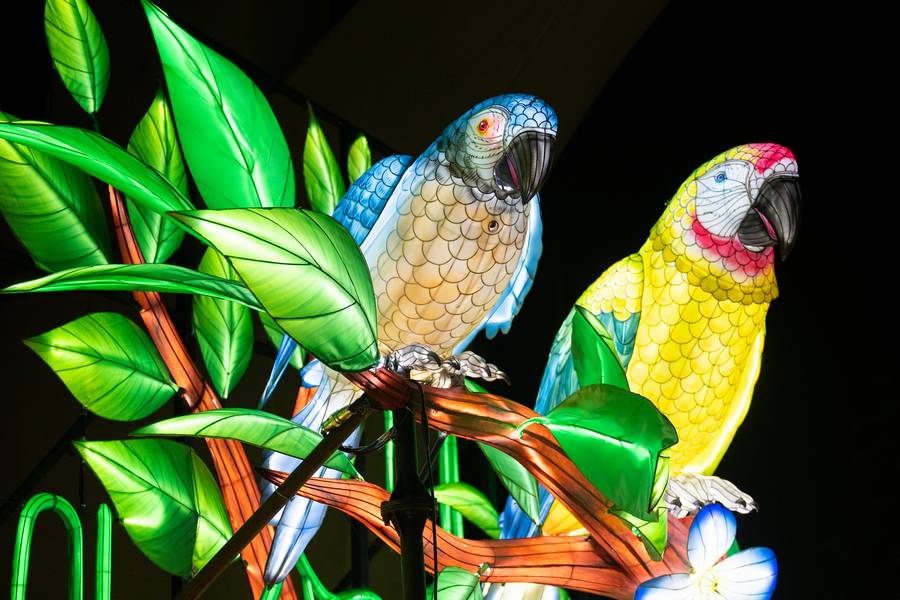
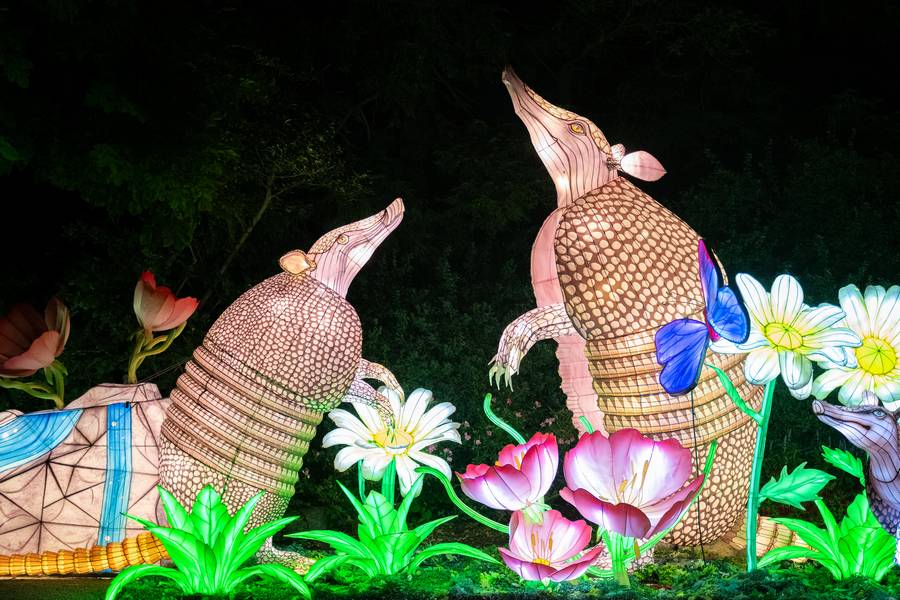
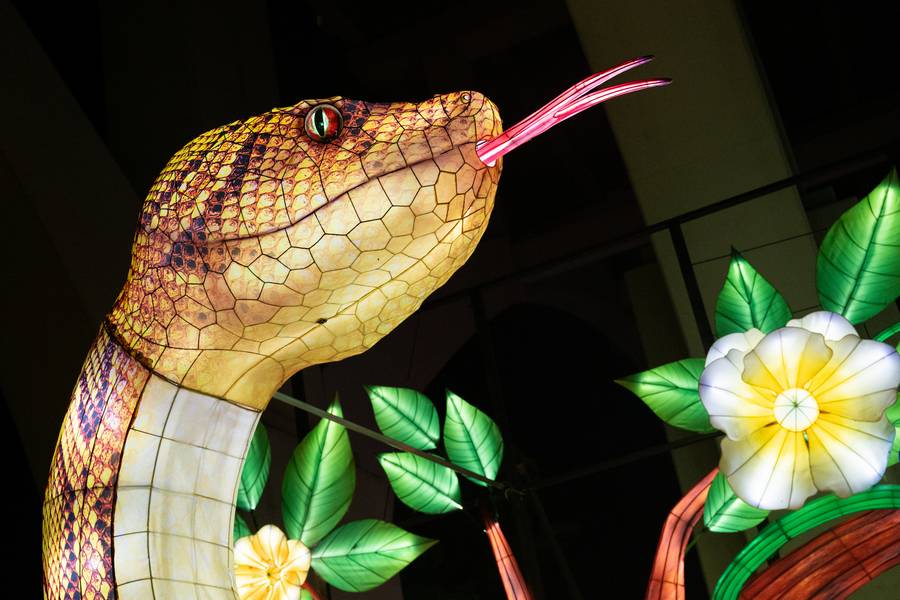
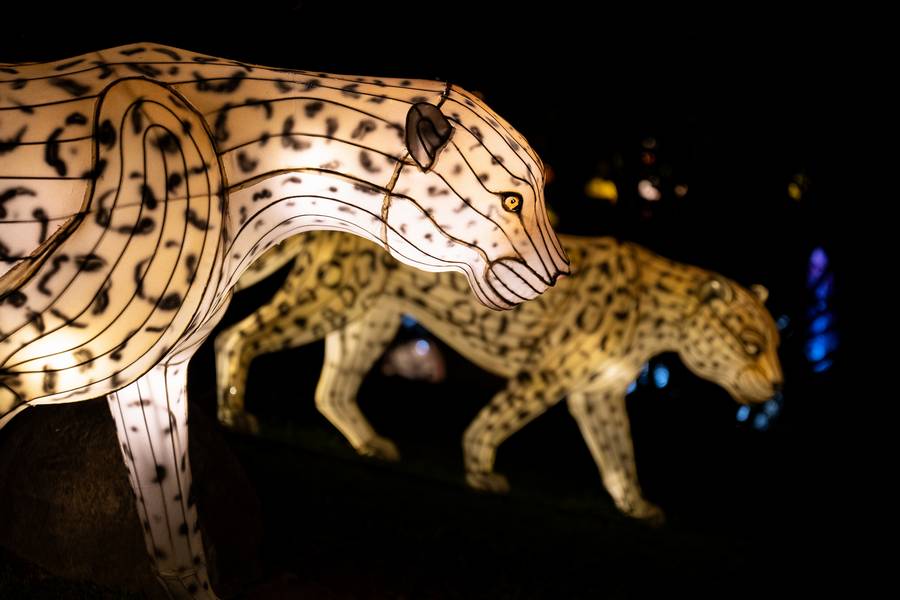
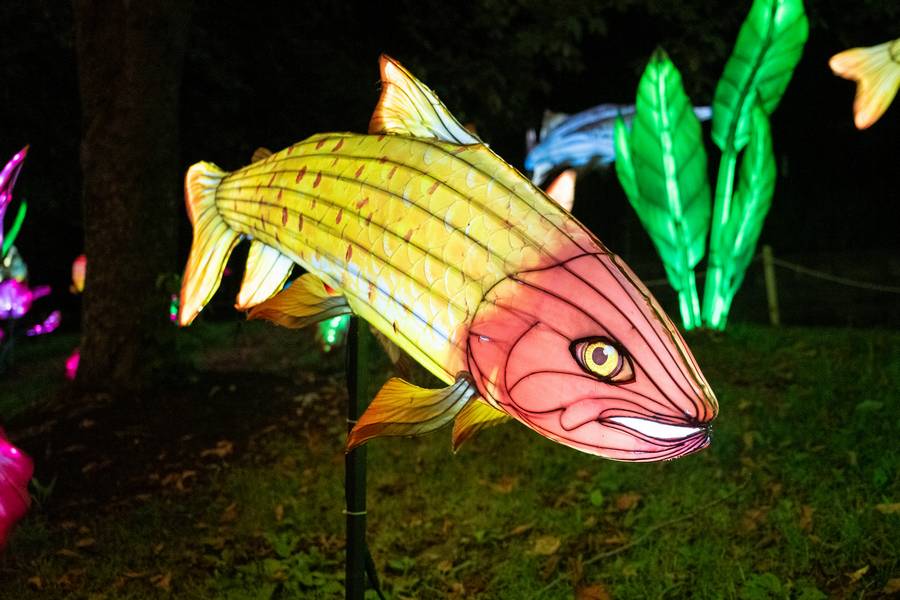
 Uniquely themed areas at this year's Asian Lantern Festival include African animals, ocean creatures, and botanical gardens. Going behind the scenes
FreshWater Cleveland talked with Jiang Guanghong, director of Tianyu Arts & Culture’s Innovation Center, to get a behind-the-scenes look at the artistry behind the Asian Lantern Festival. Guanghong is a native of Zigong, the birthplace of Chinese lantern-making.
Guanghong has been in the lantern industry for more than 20 years and oversees research and development efforts at Tianyu—specifically for interactive lantern technologies. He says his main job is focusing on the lanterns’ interactive components and the fun elements that kids always love.
Tianyu’s lantern creation process is quite extensive.
First, lantern designers sketch out their ideas for new lanterns before creating 3D renderings. Next, staff must make sure that the designs of the new lanterns will be proportional. To do this, they hand-draw their designs on the ground or use projections to see what the full-scale lantern would be like.
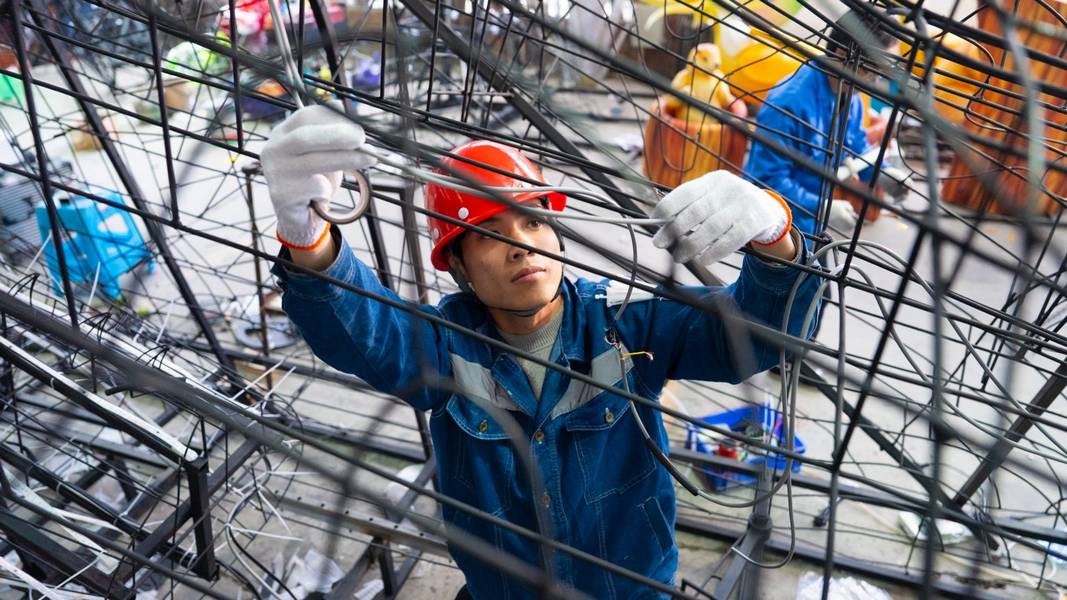
From there, the artisans get into the physical part of the process. They bend iron wires and steel rods to create the framework of the 3D lanterns. After the metal framework is perfected, lightbulbs are strategically installed into the frame to ensure the completed lanterns have their signature soft glow.
For the interactive lanterns, transmission systems are assembled and installed to create movement within the lanterns.
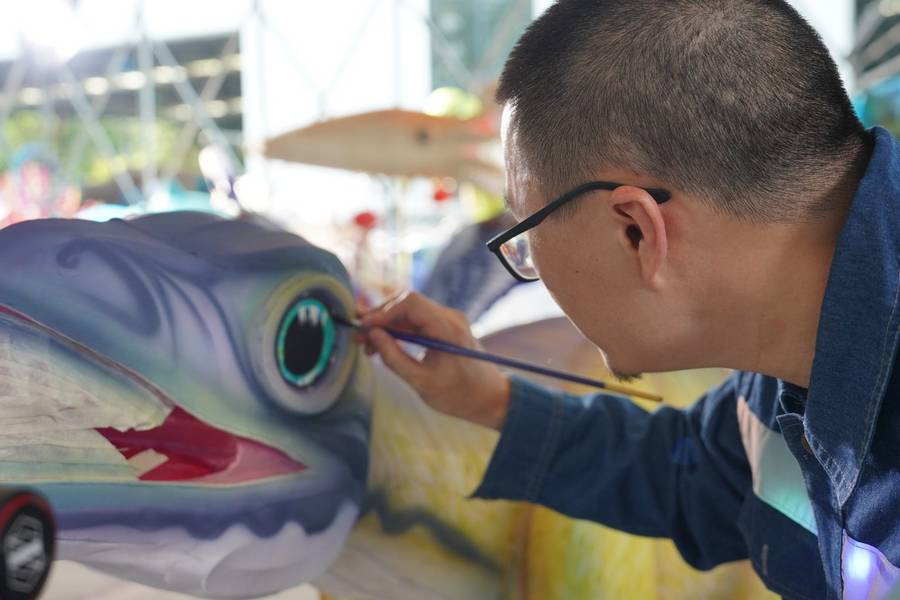
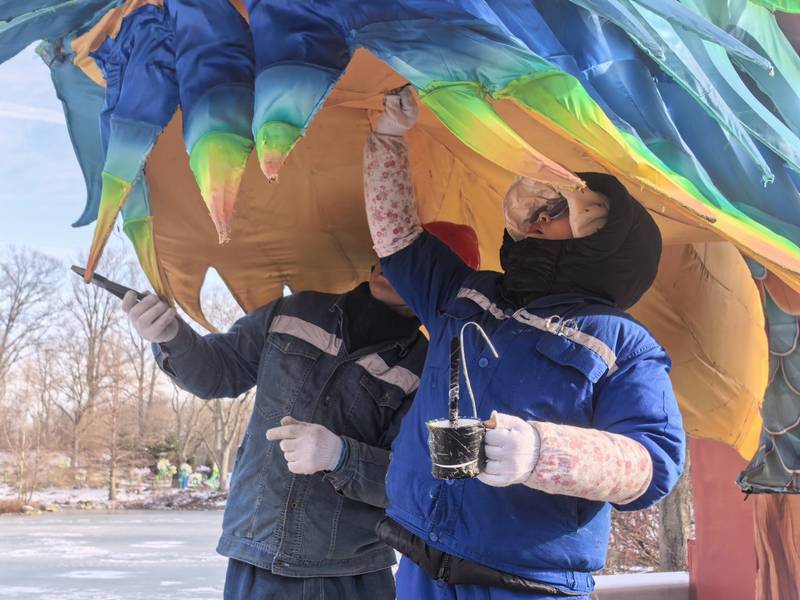
 Uniquely themed areas at this year's Asian Lantern Festival include African animals, ocean creatures, and botanical gardens.Finally, the colorful silk coverings are glued to the framework before embellishments are hand-painted on the fabric.
There are many variables with each lantern design, says Guanghong, so the timeframe from start to finish fluctuates.
“There are different sizes, so each lantern has varying levels to design and produce,” he explains. “There’s no exact time for each lantern but, generally speaking, from design to actually making them will probably take a month.”
Once the lanterns are completed, Tianyu employees carefully package them into containers and label them to keep them organized. Certain more intricate lanterns must be shipped unassembled. Once they arrive on-site, the lanterns go through a ‘second creation,’ says Guanghong, when they are reassembled.
During the on-site reassembly, multiple factors must be considered—like on-site conditions, where the lanterns will go, and the nature of the venue.
For example, since Cleveland’s Asian Lantern Festival takes place at the Zoo, workers must assess how the lanterns will affect the animals. Animal welfare and guest safety is a priority in the reassembly.
He adds that many visitors often give Tianyu staff members thumbs-up reviews or write Chinese symbols to express their appreciation for the lanterns.
“Whether it’s themes or color considerations, there are updates every year,” notes Guanghong. “This year is no different. In particular, [we] are placing more emphasis on the interactive elements—both in terms of design and creativity, and in terms of visitor interaction.”
This year, Zoo officials tout the festival’s highlight exhibit, “Dragons Landing,” with more than a dozen massive, illuminated dragons, including a 100-foot-long “ice and fire” dragon display. Additionally, lantern tunnels will immerse guests in the intricacy of Tianyu’s handmade lanterns.
Guanghong says he and his team try to incorporate local themes when planning an exhibit. At the Asian Lantern Festival in Cleveland, for example, the zoo will be filled with plenty of animal and plant lanterns along with other miscellaneous installations.
There are several uniquely themed areas the feature attractions like African animals, ocean creatures, or botanical gardens.
Another unique highlight is a four-story hydrangea and butterfly tree—all thanks to the talented artisans of Zigong, China.
A lantern-making tradition
For more than 800 years, Zigong’s cultural tradition of lantern making has been a strong part of the community’s identity.
 Uniquely themed areas at this year's Asian Lantern Festival include African animals, ocean creatures, and botanical gardens.During the Tang Dynasty, Zigong had its first lantern lighting at the town’s Spring Festival to welcome in the Chinese New Year. Today, Zigong’s lantern culture has become ingrained in the town’s identity.
As the tradition evolved, wealthy merchants became sponsors of the exuberant lantern displays that take place on three holidays: the Dragon Boat Festival, the Mid-Autumn Festival, and the Spring Festival. The support from upper-class merchants allows Zigong lantern making to prosper more than any other city in China.
Originally, Zigong lanterns were created with bamboo frames. As new materials were implemented over time, the lanterns began to get increasingly complex.
Today, innovators like Guanghong use programming, data calculation, and artificial intelligence to bring the lanterns to life through movement, color, sensors, and sound.
The combination of traditional craftsmanship and modern technology is evident throughout this year's Asian Lantern Festival displays.
Guanghong notes that the tradition is shown in the lanterns through color, styles, and shape. He says his creative process relies nearly entirely on tradition. After all, the Zigong Lantern Festival was placed on the National List of Intangible Cultural Heritage of China, which recognizes the cultural significance and the craftsmanship of lantern making.
“Lanterns are a traditional Chinese handicraft and part of China's intangible cultural heritage,” says Guanghong. “Everything is handmade. But over time, creativity is needed, so my team and I began incorporating different elements into the traditional craft.”
Guanghong explains that because the lantern making process requires a lot of effort by the artisans, it is incredibly rewarding for them to see people across the ocean appreciate their handiwork.
 A Tianyu process engineer puts some final touches on an installation.Visitors to the Asian Lantern Festival are sure to be impressed by the attention to detail and rich tradition of these lanterns.
For Guanghong, the festival represents something larger than an annual attraction—it is an opportunity to share Zigong's centuries-old lantern-making tradition with audiences around the world.
“The goal is to bring joy and happiness to people around the world,” boasts Guanghong. “Lanterns themselves are a connection of emotion and joy, so this is truly a cross-cultural and cross-language exchange.”
He adds that many visitors often give Tianyu staff members thumbs-up reviews or write Chinese symbols to express their appreciation for the lanterns.
Guanghong says that, in his opinion, these gestures are more meaningful than his work itself. He says he is honored to help Clevelanders understand the art form and is excited to see the joy the lanterns bring guests each year.
“Even though our audience may not speak the same language, seeing the audience's reactions makes us feel truly welcomed and appreciated,” he says.