New year, new you: Cuyahoga Arts & Culture grantees excited to expand reach in 2026


In November, Cleveland creative arts grant maker Cuyahoga Arts & Culture approved $12.9 million in grants to more than 300 organizations for 2026—supporting a thriving arts & culture community.
The grants support some of Cleveland’s big players—including Playhouse Square, the Cleveland Orchestra, and Cleveland Museum of Art. But thanks to an expanded county cigarette tax passed by voters last year, a generous slice of funding was also distributed to smaller Northeast Ohio nonprofits.
Among the 300-plus operating and project support grants awarded by CAC are efforts that provide much-needed guidance to female filmmakers, subsidize lodging for musicians, and honor local Tuskegee Airmen.
For example, Women in Film and Television Ohio (WIFTOH), which received a $5,000 CAC project support grant, has been advocating for equality in the screen industries since its 2019 inception. Financial backing from CAC is essential to sustaining this vital work, notes WIFTOH director of programming Joyce Allen.
“Our organization is growing, and we need support for that vision,” explains Allen. “CAC aligns with everything we stand for, because they are all about inclusive programming and opportunities for residents across Cuyahoga County.”
Boosting the prospects of a variety of ventures remains CAC’s foundational purpose, says executive director Jill Paulsen.
“We are excited to make these grants to a mix of nonprofit organizations that includes everything from new, volunteer-led projects to cultural institutions that have been around for more than a century,” Paulsen said in a Nov. 12 press release. “It’s very important that CAC serves the entire nonprofit arts and culture community, so that organizations of all sizes can carry out their missions and connect with the residents they serve.”
Creating access and opportunity
Women in Film and Television is dedicated to uplifting women across the industry, from senior executives to on-set production crews. The Ohio chapter recently helped establish a majority female crew for Fire Lily, a Cleveland production which saw women working as grips and other film crew jobs traditionally dominated by men.
The film's Screen Actors Guild (SAG) status will ideally trigger a steady stream of subsequent work for its crew. Word of mouth, social media blasts, and industry mixers hosted by the nonprofit are other means of bringing women into the discussion, says Allen.
“Women have limited access to decision-making roles, and fewer opportunities overall,” she argues. “There’s a lack of mentorship in an industry that is very relational. Those relationships create access and opportunity.”
To that end, the organization unites high-schoolers with veterans of multi-million dollar productions, forging a critical peer-to-peer learning environment, says Allen. Further to that end is a three-day convention and expo planned for October 2026—the CAC-funded event will connect emerging creatives with experienced professionals.
In Allen’s vision, she says the expo will be a bustling showcase of vendors, resource organizations, and women-owned production companies. By drawing upon the expertise of seasoned pros, industry newbies can begin developing a locally-sourced crew base, she says.
“The goal is to strengthen the local film economy,” Allen says. “Let’s make a sustainable pathway for emerging creatives and those already in the industry.”
On the road again
Hudson native Jason Hamad spent his mid-30s as an independent music journalist, traveling in a camper van and interviewing artists who were oft-challenged to find decent, affordable lodging.
“The real stories were always with the working-class musicians,” says Hamad. “I heard so much about people sleeping in their vans, staying with a sketchy guy that someone else knew, or making $200 on a gig and spending $250 on a hotel.”
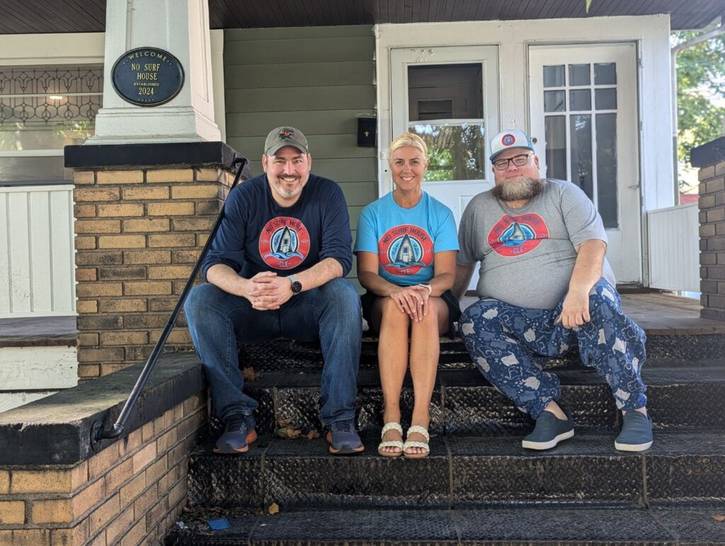
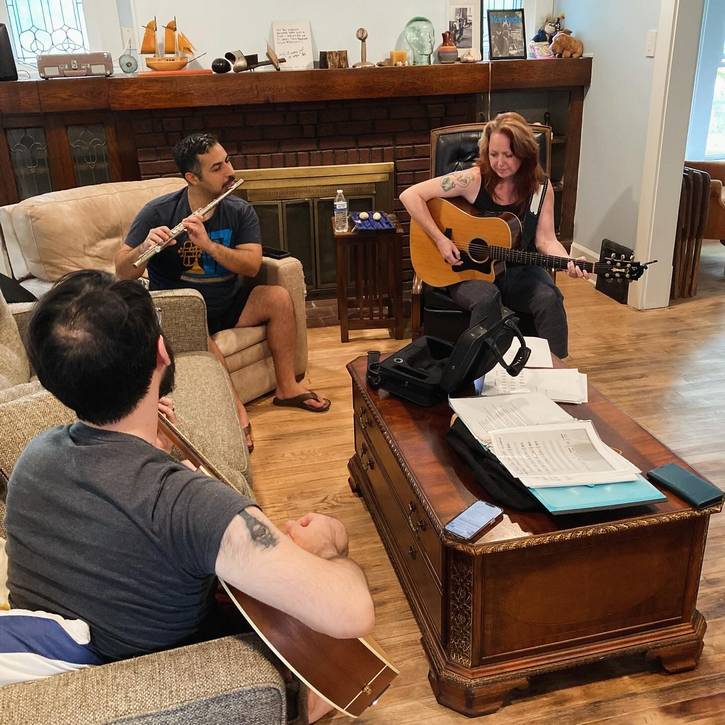
These tales of woe motivated Hamad to create No Surf House, a boarding space for touring musicians that received a $4,250 CAC project support grant. Hamad and business partner Alan Pendergrass founded the nonprofit in late 2023, borrowing the name from Hamad’s website, which itself paid homage to the locally famous 1978 “No Surf In Cleveland” track by the Euclid Beach Band.
Soon after the founding, Hamad and Pendergrass purchased and refurbished a three-story duplex in Brooklyn, near legacy Cleveland music venues such as Mahall’s and the Happy Dog.
Funding derives from individual donors, with CAC representing the nonprofit’s first community grant. Low-cost accommodations are a boon for wandering musicians and a music scene still suffering the ill effects of COVID-19 shutdowns, Hamad says.
“Live music is in danger right now,” says Hamad. “Venues are having trouble staying afloat, and musicians are having problems finding places on the road. For artists trying to make it, finding somewhere to stay makes a huge difference.”
The CAC grant will finance a free community music festival slated for summer 2026 at a yet-to-be-named public park near No Surf House. Featured artists will be the same independent acts that benefit from the nonprofit’s core services, says Hamad.
“Cleveland is a great music town, and the venues are terrific,” Hamad says. “We see subsidized housing for working-class musicians as a game-changer.”
Flying high again
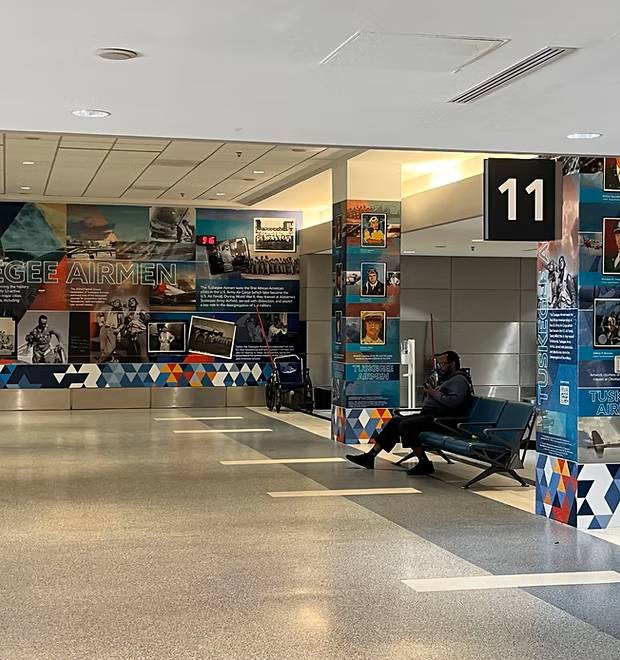
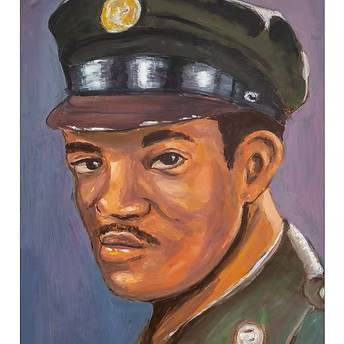
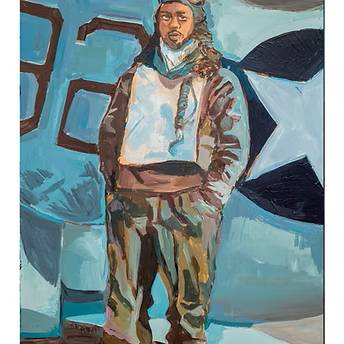
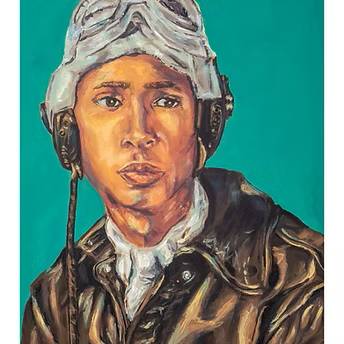
In October, Cleveland Hopkins International Airport unveiled a mural dedicated to the Tuskegee Airmen, America’s first Black military pilots. The permanent installation not only celebrates those brave aviators, but also the tens of thousands of support staff who joined the Tuskegee training program during World War II.
Navigators, nurses, mechanics, and crew chiefs are showcased alongside the airmen themselves, as part of a collaboration between the Tuskegee Airmen North Coast Chapter, which received a $4,250 CAC project support grant, and students from the Cleveland School of the Arts.
Budding artists painted portraits of 28 Ohio Tuskegee Airmen for the Cleveland Heroes Project, an effort to champion the legacy of these trailblazing heroes.
“I want the exhibit to give people pause and have them reflect on the contributions these individuals made,” says chapter vice president Thomas Cargill. “To see that even in the harshest of environments, we made a way out of no way and did it in a superlative manner.”
The program in Tuskegee, Alabama, produced nearly 1,000 pilots, including two dozen airmen from Northeast Ohio. Cargill’s father, 2nd Lt. Gilbert Cargill, trained hundreds of aviators—overcoming legal segregation and racially-fueled skepticism over their abilities.
Ultimately, the airmen flew in more than 1,500 combat missions, a legacy furthered by the CAC funding for the Cleveland Heroes Project.
To reach a wider audience, a mobile exhibit commemorating the pilots’ service will tour local schools and libraries, Cargill adds.
“This will help get their story out into the community,” he says. “Cuyahoga Arts & Culture is a part of that work.”